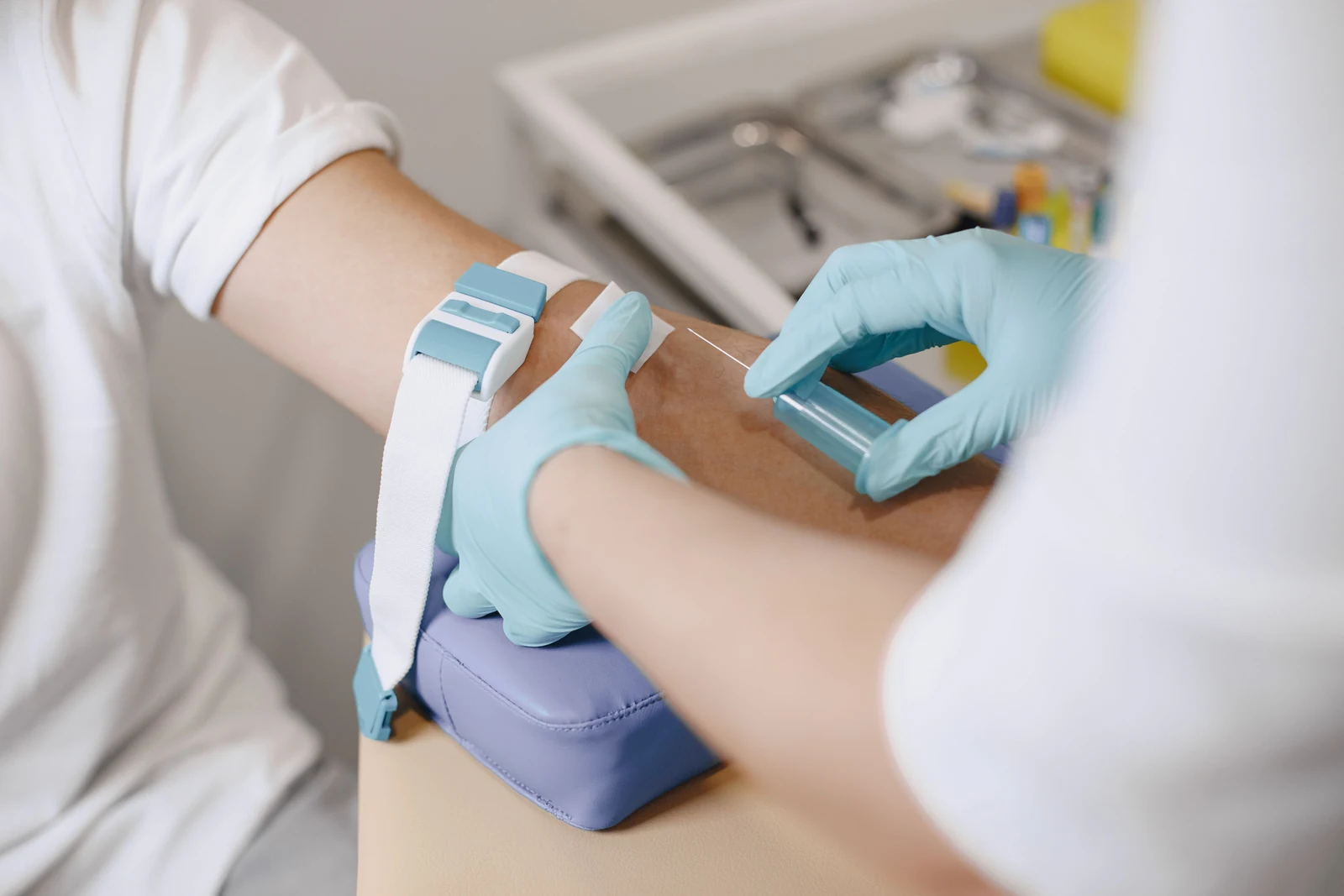
How often should I check my blood sugar, and how do I test it at home?
Understand screening and follow-up intervals in Singapore, plus how to use a home blood glucose meter accurately.
· 6 min read
How often you check your blood sugar depends on where you are: screening before any diagnosis, or follow-up once you have prediabetes or diabetes.
From age 40 in Singapore, have a fasting blood glucose or HbA1c test every 3 years, and sooner if you have a risk factor such as being overweight or a parent or sibling with diabetes. Once you have prediabetes or diabetes, checks are due every 3 to 6 months. Home testing with a glucose meter is mainly for people who already have diabetes — only a lab test can tell you whether you have it.
How often should adults in Singapore be screened for diabetes?
Singapore's screening guidance sets screening by age and risk profile:
| Who | When to screen |
|---|---|
| Average-risk adults | From age 40, every 3 years |
| Adults with any risk factor below | At any adult age, with frequency decided by your doctor |
Risk factors that bring screening forward include:
- Overweight (BMI 23 or above)
- High blood pressure, or on blood pressure medication
- A parent, brother or sister with diabetes
- Previous gestational diabetes, or having given birth to a baby weighing 4 kg or more
- A history of cardiovascular disease
- Polycystic ovary syndrome (PCOS)
- Previous tuberculosis
- Abnormal cholesterol or triglyceride levels
- Having had prediabetes before
- Belonging to a higher-risk ethnic group
- Taking medicines that can raise blood sugar, such as steroids, antipsychotics, statins, thiazides or beta-blockers
A fasting glucose test means no food overnight before the blood draw. HbA1c needs no fasting and reflects your average blood sugar over about 3 months, so many people find it the easier option. Under Healthier SG, eligible Singapore Citizens pay $5 or less for screening at a CHAS GP clinic. Raised blood sugar usually causes no symptoms, so book the test even if you feel well.
Should I get screened before 40?
Yes, if your risk is higher. Adults aged 18 to 39 can take Healthier SG's Diabetes Risk Assessment, and those found to be at higher risk qualify for subsidised screening.
Repeat the assessment every two years, or sooner if something changes: you gain weight, your blood pressure goes up, you had diabetes during a pregnancy, or a close family member is newly diagnosed with type 2 diabetes. If diabetes runs in your family, a separate article covers what to keep track of.
When is home blood sugar monitoring required?
Home testing is mainly for people with diabetes, especially those on insulin or other medicines that can cause low blood sugar. How often you test depends on your treatment, and your doctor or diabetes nurse will tell you; people on insulin usually test more often than those who are not.
A home meter cannot tell you whether you have diabetes — diagnosis needs a lab test. If you do have diabetes, Singapore's home blood sugar targets are 4.0 to 7.0 mmol/L before food and 4.0 to 10.0 mmol/L two hours after food. (mmol/L is the unit used on Singapore meters and lab reports.) Your care team may set different targets for you.
How do I check my blood sugar at home accurately?
Clean, dry hands, in-date strips and a good drop of blood give the most reliable reading:
- Wash your hands with soap and water and dry them well, so nothing on your skin gets into the sample.
- Check that your strips are in date and made for your meter.
- Use a fresh lancet and prick the side of a fingertip, as your nurse or the meter's instructions show.
- Let a drop of blood form, touch it to the strip and wait for the result. Note the time and whether it was before a meal or 2 hours after.
A reading below 4.0 mmol/L is low blood sugar (hypoglycaemia), so follow your care team's plan for lows. If readings stay above 16 mmol/L, or you feel unwell with high readings, seek medical advice. If finger-pricks are a problem for you, a continuous glucose monitor (CGM) is one alternative.
How do I choose a reliable blood glucose meter in Singapore?
Buy your meter from a pharmacy or clinic in Singapore, and pick one whose test strips are easy to find and affordable, since strips are the ongoing cost. Most medical devices must be registered with the Health Sciences Authority (HSA) before they can be sold here.
Accuracy comes next. Under the US standard for home meters, 95% of readings must fall within 15% of a lab result. So if your lab result is 8.0 mmol/L, a good meter could show anything from about 6.8 to 9.2.
Home meters and labs also measure differently. Labs measure glucose in plasma (the liquid part of blood), which reads higher than whole blood. Some meters report a plasma value and others a whole-blood value, so your meter may not match your lab report exactly. Taking your meter to a clinic visit lets you compare it against a lab test taken at the same time.
How often should HbA1c be checked if I have prediabetes or diabetes?
With prediabetes, have your blood sugar checked at least every 6 months. With type 2 diabetes, HbA1c is usually checked every 6 months if you are meeting your treatment goals, and every 3 months if you are not.
Because HbA1c reflects about 3 months, testing more often than that rarely adds much. What matters is the direction across several results.
Keeping multiple reports over the years in one place is harder than it sounds — they tend to end up scattered across clinic portals and emails. When you add them to the Health Locker in the Genie Health app, they stay in one secure place. You can see your glucose and HbA1c readings side by side, get insights as Sparks cards, ask Genie questions, and generate a Health Summary — a brief overview of your data to share with your doctor before a consultation.
FAQs
- How often should adults in Singapore be screened for diabetes?
- Singapore's screening guidance sets screening by age and risk profile:
- Should I get screened before 40?
- Yes, if your risk is higher. Adults aged 18 to 39 can take Healthier SG's Diabetes Risk Assessment, and those found to be at higher risk qualify for subsidised screening.
- When is home blood sugar monitoring required?
- Home testing is mainly for people with diabetes, especially those on insulin or other medicines that can cause low blood sugar. How often you test depends on your treatment, and your doctor or diabetes nurse will tell you; people on insulin usually test more often than those who are not.
- How do I check my blood sugar at home accurately?
- Clean, dry hands, in-date strips and a good drop of blood give the most reliable reading:
- How do I choose a reliable blood glucose meter in Singapore?
- Buy your meter from a pharmacy or clinic in Singapore, and pick one whose test strips are easy to find and affordable, since strips are the ongoing cost. Most medical devices must be registered with the Health Sciences Authority (HSA) before they can be sold here.
- How often should HbA1c be checked if I have prediabetes or diabetes?
- With prediabetes, have your blood sugar checked at least every 6 months. With type 2 diabetes, HbA1c is usually checked every 6 months if you are meeting your treatment goals, and every 3 months if you are not.
References & Sources
- Screening Test Review Committee Report 2026, Volume 1 https://isomer-user-content.by.gov.sg/3/15ed4753-8da1-4550-b237-fdabf2b54206/STRC%202026_Volume%201_Feb2026.pdf
- Understanding More About Healthier SG Screening https://www.healthhub.sg/programmes/healthiersg-screening/screening-faq
- Self-monitoring of blood sugar https://www.healthhub.sg/programmes/diabetes-hub/self-monitoring-of-blood-sugar
- Hypoglycaemia https://www.healthhub.sg/programmes/diabetes-hub/hypoglycaemia
- Self-Monitoring Blood Glucose Test Systems for Over-the-Counter Use (FDA Guidance, 2020) https://www.fda.gov/regulatory-information/search-fda-guidance-documents/self-monitoring-blood-glucose-test-systems-over-counter-use
- Type 2 diabetes mellitus – personalising management (ACE Clinical Guidance, 2023) https://isomer-user-content.by.gov.sg/68/7f841d63-4e01-4b61-a507-79dc0131385a/T2DM%20%E2%80%93%20personalising%20management%20%5BPDF%5D.pdf
Note: This content is for general informational purposes only and is not medical advice, diagnosis or treatment. It does not replace consultation with a qualified healthcare professional. If you have concerns about your health, please consult a qualified physician.
Read Next: What can a continuous glucose monitor (CGM) tell me?
You might also like
My blood sugar is high. What is a normal blood sugar level?
Understand Singapore’s blood sugar ranges, what a high result can mean, and why trends and follow-up testing matter.
Metabolic Health · · 7 min read

What is HbA1c, and what is a normal HbA1c level?
Understand what HbA1c measures, Singapore’s screening ranges, and why it can differ from a fasting blood glucose result.
Metabolic Health · · 6 min read
What is prediabetes, and can it be reversed?
Understand Singapore’s prediabetes ranges, common risk factors, and how sustained lifestyle changes can help.
Metabolic Health · · 5 min read