What is HbA1c, and what is a normal HbA1c level?
Understand what HbA1c measures, Singapore’s screening ranges, and why it can differ from a fasting blood glucose result.
· 6 min read
HbA1c is a blood test that shows your average blood sugar over about 3 months. In Singapore, 6.0% or below is normal and 7.0% or above is in the diabetes range. A result between 6.1 and 6.9% is intermediate and needs a follow-up glucose test before any diagnosis.
Because it reflects a longer window than a single glucose reading, HbA1c is one of the most useful numbers on a health report. It shows how well your body has been managing blood sugar day to day, catches patterns that single tests miss, and helps your doctor decide what to do next.
What is HbA1c?
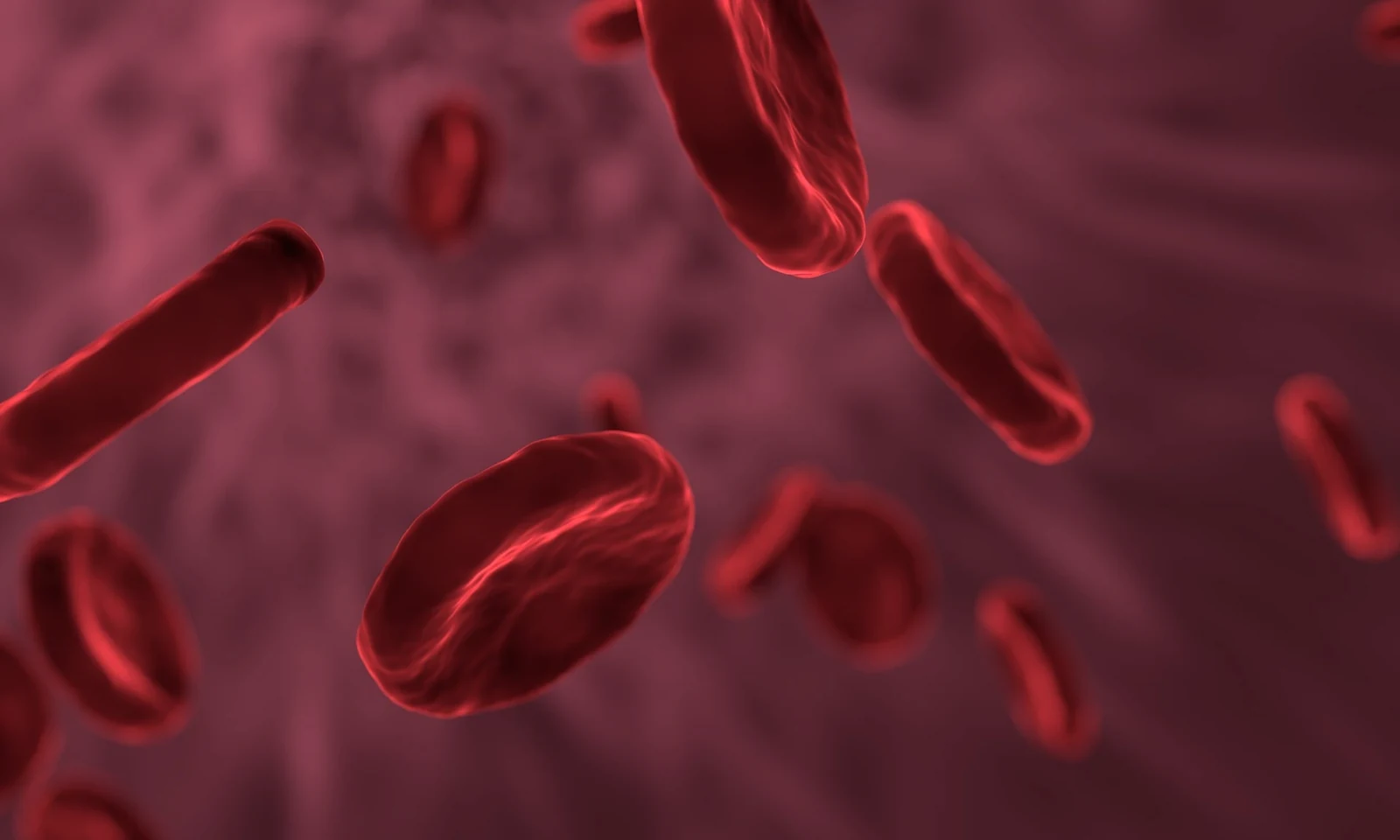
HbA1c, or glycated haemoglobin, measures how much sugar is attached to haemoglobin, the protein in red blood cells that carries oxygen. It shows your average blood sugar over about 3 months.
The more sugar there is in your blood, the more of it sticks to haemoglobin. Red blood cells live for about 3 months, which is why the test covers that window. The result is a percentage, so an HbA1c of 6% means about 6% of your haemoglobin has sugar attached.
Recent weeks count for more than earlier ones. The last 30 days or so weigh most, and short spikes or dips do not show up. One heavy weekend before a screening will barely show in your result, while a few months of changed habits will.
What is a normal HbA1c level?
Singapore's MOH screening guidance sets three HbA1c bands: 6.0% or below is normal, 6.1 to 6.9% is intermediate and triggers a follow-up fasting glucose or OGTT, and 7.0% or above is diabetes. An HbA1c of 7.0% or higher can diagnose diabetes on its own; a result in the intermediate band cannot diagnose prediabetes by itself, which is why the follow-up glucose test is needed.
The ranges you may see online often come from US guidance (ADA), which uses different bands: below 5.7% as normal, 5.7 to 6.4% as prediabetes, and 6.5% or higher as diabetes. If your report flags a result against US bands, it is worth raising with your doctor, but the US "prediabetes" band is not a prediabetes diagnosis in Singapore. See the blood sugar chart for how prediabetes is diagnosed here.
The chart below summarises where each result sits in Singapore, with the US bands shown alongside for comparison.
| HbA1c | What it means |
|---|---|
| 5% | Normal in Singapore (6.0% or below) |
| 6% | Normal in Singapore; prediabetes in US guidance (5.7 to 6.4%) |
| 6.5% | Intermediate in Singapore (needs further test); diabetes in US guidance (6.5% or higher) |
| 7% | Diabetes in Singapore (7.0% or higher) |
| 8% | Above the usual diabetes target |
| 9% | Well above the usual target |
7.0% does two jobs in Singapore. It is the cut-off for diagnosing diabetes, and for most people who already have type 2 diabetes it is also the usual treatment target (7.0% or below), which each person sets with their doctor.
How is HbA1c different from fasting blood glucose, and which is more accurate?
Fasting blood glucose shows your blood sugar at one moment after an overnight fast, while HbA1c shows your average over about 3 months. Neither is clearly more accurate. In a study of over 3,500 Singapore adults, fasting glucose picked up diabetes slightly better, but the difference was not statistically significant.
| Fasting blood glucose | HbA1c | |
|---|---|---|
| What it shows | Blood sugar at the time of the test | Average blood sugar over about 3 months |
| Preparation | Nothing but plain water for at least 8 hours | No fasting; any time of day |
| Can be thrown off by | Recent illness, stress, eating before the test | Conditions that affect red blood cells (see below) |
| Used in Singapore to diagnose | Prediabetes and diabetes | Diabetes only |
Because each can be thrown off in different ways, the two tests sometimes disagree. That is one reason doctors repeat a test before making a diagnosis. Singapore screening accepts either test, so if fasting is hard for you, HbA1c is the simpler option.
Can HbA1c results be inaccurate?
Yes. Anything that changes your red blood cells or haemoglobin can make HbA1c read falsely high or low. Singapore's screening guidance lists conditions where HbA1c is not suitable, including:
- thalassaemia and other inherited haemoglobin conditions
- iron deficiency anaemia, which can push HbA1c falsely high
- vitamin B12 or folate deficiency
- anaemia caused by red blood cells breaking down early (haemolytic anaemia)
- recent blood loss or a blood transfusion
- chronic kidney or liver disease
- pregnancy
This matters in Singapore, where about 4.5% of people carry a thalassaemia gene. Most carriers are healthy and do not know they have it. G6PD deficiency, also common here, can affect HbA1c too.
An HbA1c that does not match your glucose results can be a sign of this kind of interference. If you know you have one of these conditions, tell your doctor before screening so a fasting glucose test can be used instead.
Why is tracking HbA1c over time more useful than one result?
A trend shows which way your blood sugar is moving, and one result cannot. Even the same blood sample tested twice can give slightly different numbers: a 6.8% result could come back as anywhere from 6.4 to 7.2%.
A small change between two tests may just be this variation, but a steady rise across several screenings is worth acting on. If you have diabetes and your treatment changes, HbA1c is usually rechecked after about 3 months. For everyone else, see how often to check HbA1c.
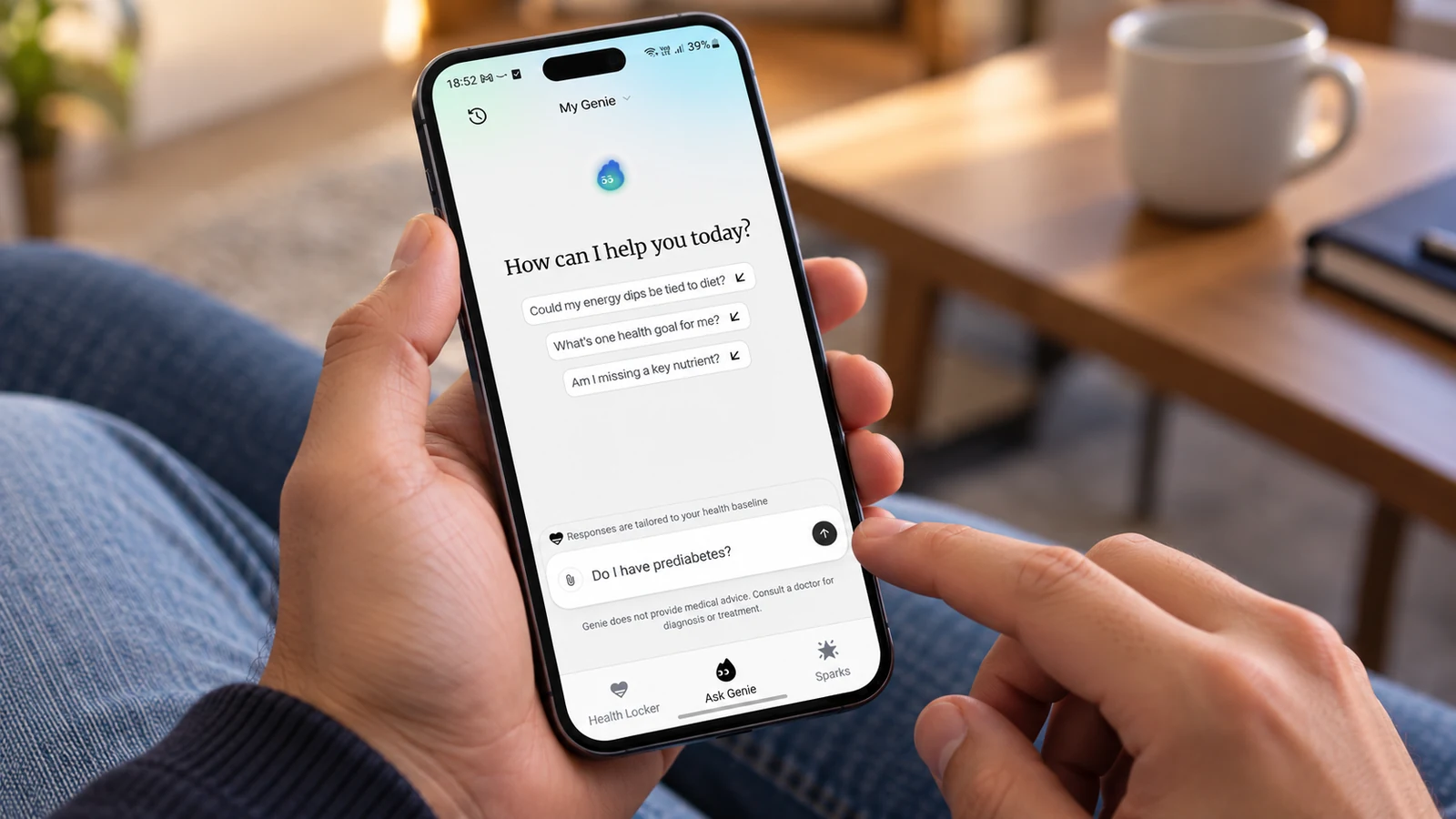
To track your HbA1c over time, you can securely add your past and recent health screening reports to the Health Locker in the Genie Health app. Genie reads the HbA1c values from each report and builds a timeline, so you can see your readings side by side and spot how they are changing, well before any one result crosses into a worrying range.
FAQs
- What is HbA1c?
- HbA1c, or glycated haemoglobin, measures how much sugar is attached to haemoglobin, the protein in red blood cells that carries oxygen. It shows your average blood sugar over about 3 months.
- What is a normal HbA1c level?
- Singapore's MOH screening guidance sets three HbA1c bands: 6.0% or below is normal, 6.1 to 6.9% is intermediate and triggers a follow-up fasting glucose or OGTT, and 7.0% or above is diabetes. An HbA1c of 7.0% or higher can diagnose diabetes on its own; a result in the intermediate band cannot diagnose prediabetes by itself, which is why the follow-up glucose test is needed.
- How is HbA1c different from fasting blood glucose, and which is more accurate?
- Fasting blood glucose shows your blood sugar at one moment after an overnight fast, while HbA1c shows your average over about 3 months. Neither is clearly more accurate. In a study of over 3,500 Singapore adults, fasting glucose picked up diabetes slightly better, but the difference was not statistically significant.
- Can HbA1c results be inaccurate?
- Yes. Anything that changes your red blood cells or haemoglobin can make HbA1c read falsely high or low. Singapore's screening guidance lists conditions where HbA1c is not suitable, including:
- Why is tracking HbA1c over time more useful than one result?
- A trend shows which way your blood sugar is moving, and one result cannot. Even the same blood sample tested twice can give slightly different numbers: a 6.8% result could come back as anywhere from 6.4 to 7.2%.
References & Sources
- Treatment targets and monitoring https://www.healthhub.sg/programmes/diabetes-hub/treatment-targets-and-monitoring
- The A1C Test & Diabetes https://www.niddk.nih.gov/health-information/diagnostic-tests/a1c-test
- MOH Circular 08/2019: Use of HbA1c as a screening test for diabetes mellitus https://www.diabetes.org.sg/wp-content/uploads/2025/06/MOH-Circular-New-Screenting-Test.pdf
- Screening for diabetes with HbA1c: Test performance of HbA1c compared to fasting plasma glucose among Chinese, Malay and Indian community residents in Singapore https://www.nature.com/articles/s41598-018-29998-z
- Screening Test Review Committee Report 2026, Volume 1 https://isomer-user-content.by.gov.sg/3/15ed4753-8da1-4550-b237-fdabf2b54206/STRC%202026_Volume%201_Feb2026.pdf
- Thalassaemia https://www.kkh.com.sg/patient-care/conditions-treatments/thalassaemia-childhood-illnesses
Note: This content is for general informational purposes only and is not medical advice, diagnosis or treatment. It does not replace consultation with a qualified healthcare professional. If you have concerns about your health, please consult a qualified physician.
Read Next: What is prediabetes, and can it be reversed?
You might also like
My blood sugar is high. What is a normal blood sugar level?
Understand Singapore’s blood sugar ranges, what a high result can mean, and why trends and follow-up testing matter.
Metabolic Health · · 7 min read
What is prediabetes, and can it be reversed?
Understand Singapore’s prediabetes ranges, common risk factors, and how sustained lifestyle changes can help.
Metabolic Health · · 5 min read

Why has my blood sugar or HbA1c gone up?
Explore why blood sugar or HbA1c may rise, from everyday changes and medicines to patterns across health screenings.
Metabolic Health · · 5 min read