What is HbA1c, and what is a normal HbA1c level?
HbA1c is a blood test that shows your average blood sugar over about 3 months. In Malaysia, below 5.7% is normal, 5.7% to below 6.3% is in the prediabetes range, and 6.3% or higher is in the diabetes range.
· 6 min read
Because it reflects a longer window than a single glucose reading, HbA1c is one of the most useful numbers on a health report. It shows how well your body has been managing blood sugar day to day, catches patterns that single tests miss, and helps your doctor decide what to do next.
What is HbA1c?
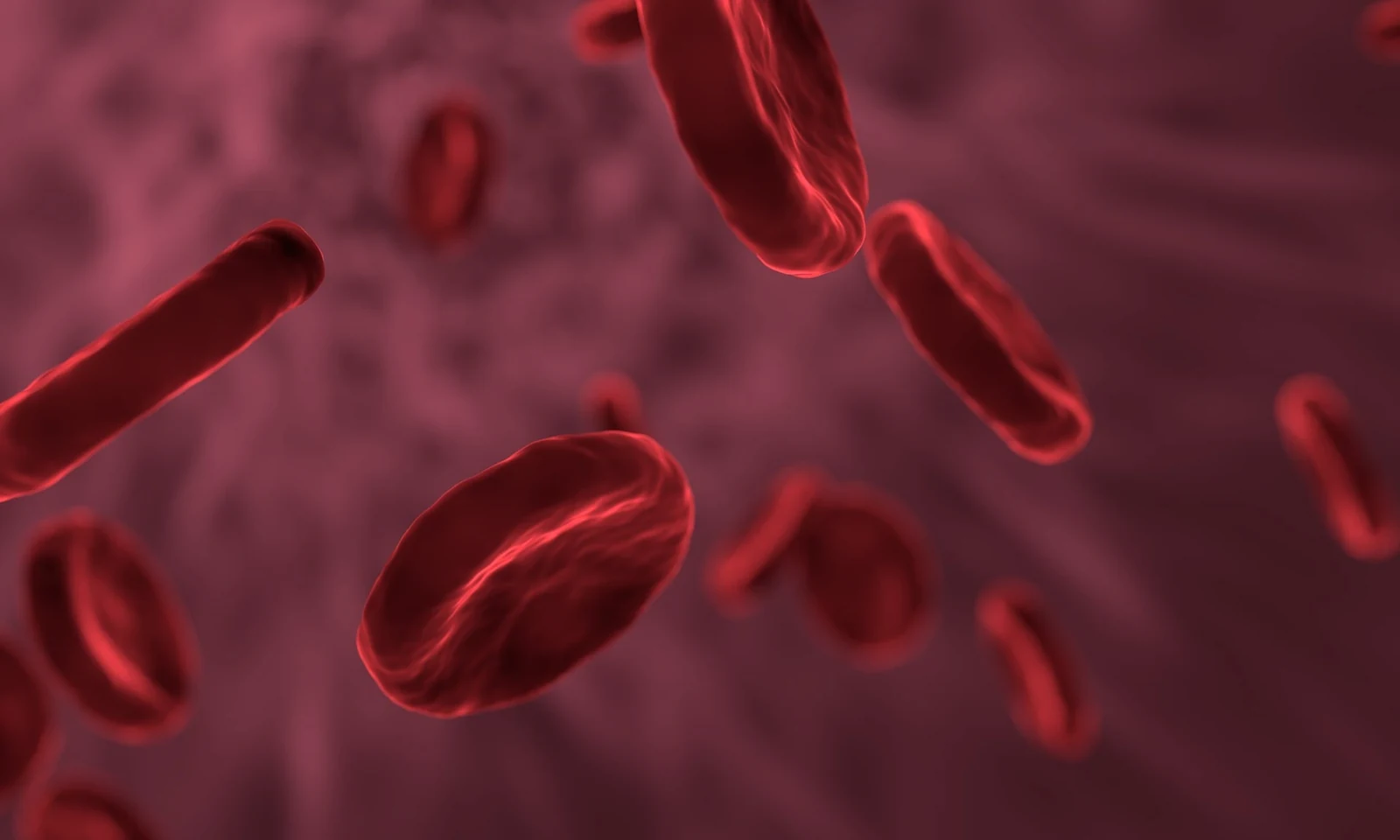
HbA1c, or glycated haemoglobin, measures how much sugar is attached to haemoglobin, the protein in red blood cells that carries oxygen. It shows your average blood sugar over about 3 months.
The more sugar there is in your blood, the more of it sticks to haemoglobin. Red blood cells normally live for about 4 months, and the test reflects your average blood sugar over about the past 3 months. The result is a percentage, so an HbA1c of 6% means about 6% of your haemoglobin has sugar attached.
Recent weeks count for more than earlier ones. The last 30 days or so weigh most, and the test does not show individual short spikes or dips. One heavy weekend before a screening will barely show in your result, while a few months of changed habits will.
What is a normal HbA1c level?
In Malaysia, a normal HbA1c level is below 5.7%. A result of 5.7% to below 6.3% is in the prediabetes range, and 6.3% or higher is in the diabetes range.
According to Malaysia’s type 2 diabetes guideline, the ranges are:
| HbA1c | What it means |
|---|---|
| Below 5.7% | Normal |
| 5.7% to below 6.3% | Prediabetes range |
| 6.3% or higher | Diabetes range |
These ranges are for adults who are not pregnant. Pregnancy uses different testing and thresholds. If you have no symptoms and your result is in the diabetes range, your doctor will usually arrange confirmation with another test. A result below the diabetes cutoff does not always rule out diabetes if your glucose tests or symptoms suggest it.
HbA1c and glucose tests measure different things, so their results can sometimes disagree. See the blood sugar chart for the fasting glucose and oral glucose tolerance test (OGTT) ranges.
Different countries use slightly different HbA1c ranges. The figures above follow the guidance for this country, so you may see different bands on websites from elsewhere.
The number used to diagnose diabetes is different from the goal used to manage it. Malaysia’s guideline recommends an HbA1c target of 6.5% or below for some people with recently diagnosed type 2 diabetes who have a low risk of low blood sugar. Other people may need a target closer to 7%, or a higher target depending on their health. Your doctor will agree a target suited to you.
How is HbA1c different from fasting blood glucose, and which is more accurate?
Fasting blood glucose shows your blood sugar at one moment after an overnight fast, while HbA1c shows your average over about 3 months. Neither is the best test for everyone. The more useful test depends on your circumstances, including whether you can fast and whether a health condition could affect HbA1c.
| Fasting blood glucose | HbA1c | |
|---|---|---|
| What it shows | Blood sugar at the time of the test | Average blood sugar over about 3 months |
| Preparation | Nothing but plain water for at least 8 hours | No fasting; any time of day |
| Can be thrown off by | Recent illness, stress, eating before the test | Conditions that affect red blood cells or haemoglobin |
| Used to assess | Prediabetes and diabetes | Prediabetes and diabetes |
Because each can be affected in different ways, the two tests sometimes disagree. Your doctor may repeat an abnormal test or use another test to clarify the result. If fasting is hard for you, HbA1c can be a simpler option when it is suitable for your health.
Can HbA1c results be inaccurate?
Yes. Conditions that change your red blood cells or haemoglobin can make HbA1c read falsely high or low. NIDDK explains why some conditions affect HbA1c. These include:
- thalassaemia and other inherited haemoglobin conditions
- iron deficiency anaemia, which can push HbA1c falsely high
- vitamin B12 or folate deficiency
- anaemia caused by red blood cells breaking down early (haemolytic anaemia)
- recent blood loss or a blood transfusion
- chronic kidney or liver disease
- pregnancy
An inherited haemoglobin condition does not make every HbA1c test unreliable. Some effects depend on the condition and the test method used.
An HbA1c that does not match your glucose results can be a sign of interference. If you know you have one of these conditions, tell your doctor. They can decide whether a glucose test or a different HbA1c method would give a more reliable result.
Why is tracking HbA1c over time more useful than one result?
A trend shows which way your blood sugar is moving, and one result cannot. Even the same blood sample tested twice can give slightly different numbers: a 6.8% result could come back as anywhere from 6.4 to 7.2%.
A small change between two tests may just be this variation, but a steady rise across several screenings is worth acting on. If you have diabetes and your treatment changes, HbA1c is usually rechecked after about 3 months. For everyone else, see how often to check HbA1c.
To track your HbA1c over time, you can securely add your past and recent health screening reports to the Health Locker in the Genie Health app. Genie reads the HbA1c values from each report and builds a timeline, so you can see your readings side by side and spot how they are changing, well before any one result crosses into a worrying range.
FAQs
- What is HbA1c?
- HbA1c, or glycated haemoglobin, measures how much sugar is attached to haemoglobin, the protein in red blood cells that carries oxygen. It shows your average blood sugar over about 3 months.
- What is a normal HbA1c level?
- In Malaysia, a normal HbA1c level is below 5.7%. A result of 5.7% to below 6.3% is in the prediabetes range, and 6.3% or higher is in the diabetes range. Your doctor will arrange confirmation where needed.
- How is HbA1c different from fasting blood glucose, and which is more accurate?
- Fasting blood glucose shows your blood sugar at one moment after an overnight fast, while HbA1c shows your average over about 3 months. Neither is the best test for everyone. The more useful test depends on your circumstances, including whether you can fast and whether a health condition could affect HbA1c.
- Can HbA1c results be inaccurate?
- Yes. Some conditions that affect red blood cells or haemoglobin, including anaemia, inherited haemoglobin conditions, recent blood loss or transfusion, kidney or liver disease, and pregnancy, can make HbA1c read falsely high or low. Tell your doctor about these conditions, especially if HbA1c does not match your glucose results, so they can choose a suitable test.
- Why is tracking HbA1c over time more useful than one result?
- A trend shows which way your blood sugar is moving, and one result cannot. Even the same blood sample tested twice can give slightly different numbers: a 6.8% result could come back as anywhere from 6.4 to 7.2%.
References & Sources
- https://www.niddk.nih.gov/health-information/diagnostic-tests/a1c-test https://www.niddk.nih.gov/health-information/diagnostic-tests/a1c-test
- https://www.moh.gov.my/images/04-penerbitan/penerbitan-klinikal/panduan-amalan-klinikal/CPG_T2DM_6th_Edition_2020_13042021.pdf https://www.moh.gov.my/images/04-penerbitan/penerbitan-klinikal/panduan-amalan-klinikal/CPG_T2DM_6th_Edition_2020_13042021.pdf
- https://www.racgp.org.au/getattachment/06fcc84d-c8c0-4e5c-8b9c-9f9788ae4c5b/HbA1c-and-monitoring-glycaemia.aspx https://www.racgp.org.au/getattachment/06fcc84d-c8c0-4e5c-8b9c-9f9788ae4c5b/HbA1c-and-monitoring-glycaemia.aspx
Note: This content is for general informational purposes only and is not medical advice, diagnosis or treatment. It does not replace consultation with a qualified healthcare professional. If you have concerns about your health, please consult a qualified physician.
Read Next: What is prediabetes, and can it be reversed?