HbA1c vs Fasting Glucose: What Your Metabolic Numbers Really Mean
Two of the most common metabolic markers in Singapore's health screening panels — and yet most people don't know what either one is actually measuring, or why they can tell different stories.
· 5 min read
Singapore has one of the highest rates of diabetes in the developed world. The national Screen for Life programme tests for it as standard — and most working adults will have seen both fasting glucose and HbA1c on their results at some point. But these two numbers are measuring very different things, and understanding the difference matters.
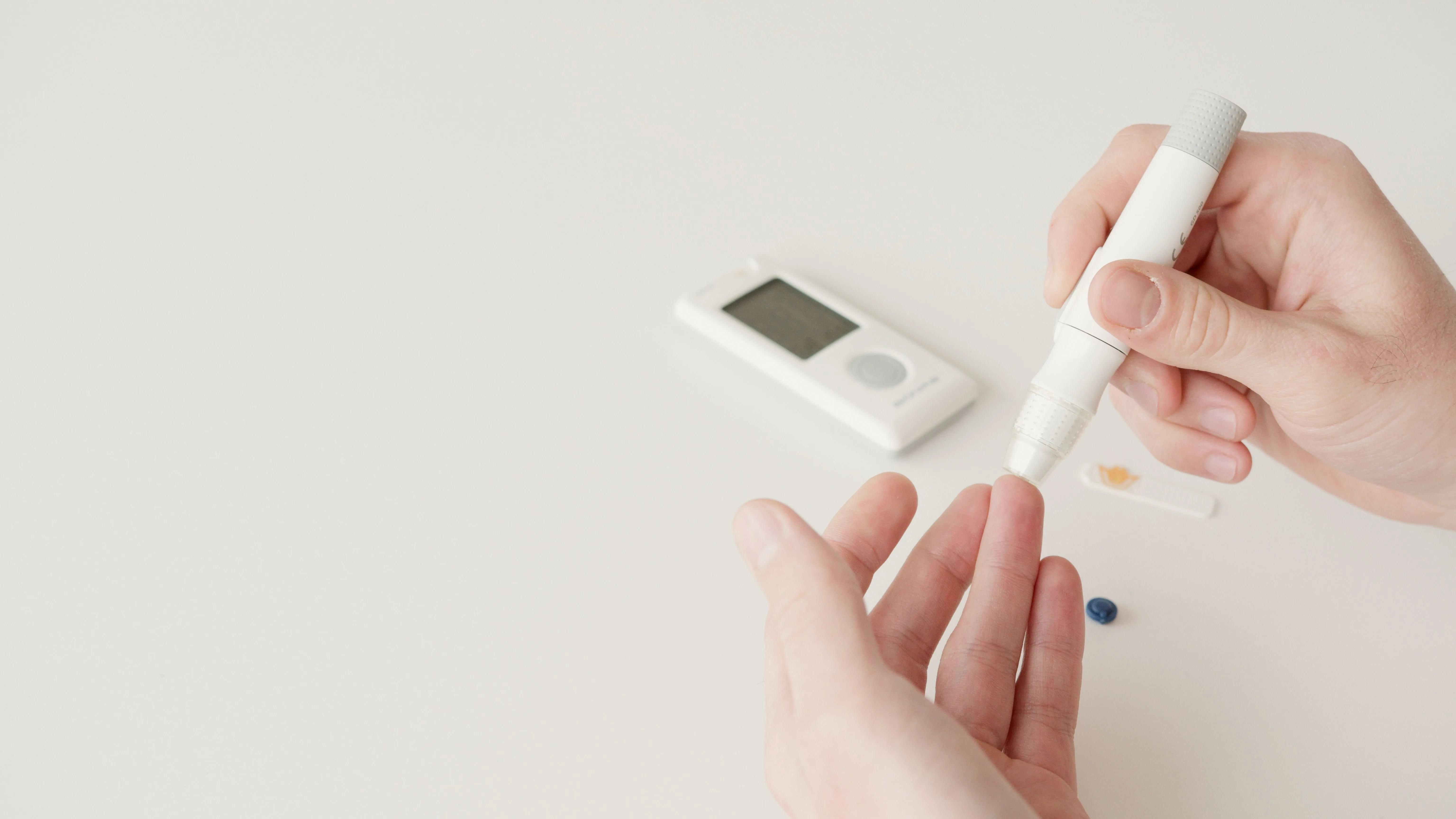
Fasting glucose is a snapshot. It tells you what your blood sugar level was at a specific moment in time, after at least eight hours without food. It is highly sensitive to the day: how well you slept the night before, how stressed you were that morning, whether you had a late dinner. A single fasting glucose reading is useful, but it is a photograph, not a film.
What HbA1c actually measures
HbA1c — glycated haemoglobin — reflects your average blood sugar over the previous two to three months. It works by measuring what percentage of your haemoglobin has glucose attached to it. The higher your average blood sugar over that period, the higher the HbA1c.
This makes HbA1c a much more stable and informative marker than fasting glucose for long-term metabolic risk. You cannot eat a clean breakfast the morning of the test and make your HbA1c look better. It reflects sustained patterns, not preparation.
The clinical thresholds in Singapore follow international standards: below 5.7% is normal, 5.7–6.4% is prediabetes, and 6.5% or above is diagnostic for diabetes. But these thresholds were set for diagnosis, not optimisation. There is growing evidence that HbA1c values in the upper end of the 'normal' range — say, 5.4–5.6% — are associated with meaningfully higher cardiometabolic risk than values in the 4.8–5.2% range.
Why you might want to watch the trend, not just the threshold
If your HbA1c has moved from 5.1% to 5.5% over three years, that is a signal worth paying attention to — even though both numbers fall within the 'normal' range. Trend direction matters, and the earlier you see it moving, the more lifestyle intervention options you have before the clinical threshold is crossed.
Fasting glucose and HbA1c together give a more complete picture than either alone. Used in combination with other metabolic markers — fasting insulin, triglycerides, waist-to-hip ratio — they form the basis of a meaningful metabolic health assessment. That is the direction preventive care in Singapore is moving towards.
Read Next: The Health Screenings Singapore Doctors Actually Recommend After 35
You might also like
My blood sugar is high. What is a normal blood sugar level?
Understand Singapore’s blood sugar ranges, what a high result can mean, and why trends and follow-up testing matter.
Metabolic Health · · 7 min read

What is HbA1c, and what is a normal HbA1c level?
Understand what HbA1c measures, Singapore’s screening ranges, and why it can differ from a fasting blood glucose result.
Metabolic Health · · 6 min read

What is prediabetes, and can it be reversed?
Understand Singapore’s prediabetes ranges, common risk factors, and how sustained lifestyle changes can help.
Metabolic Health · · 5 min read