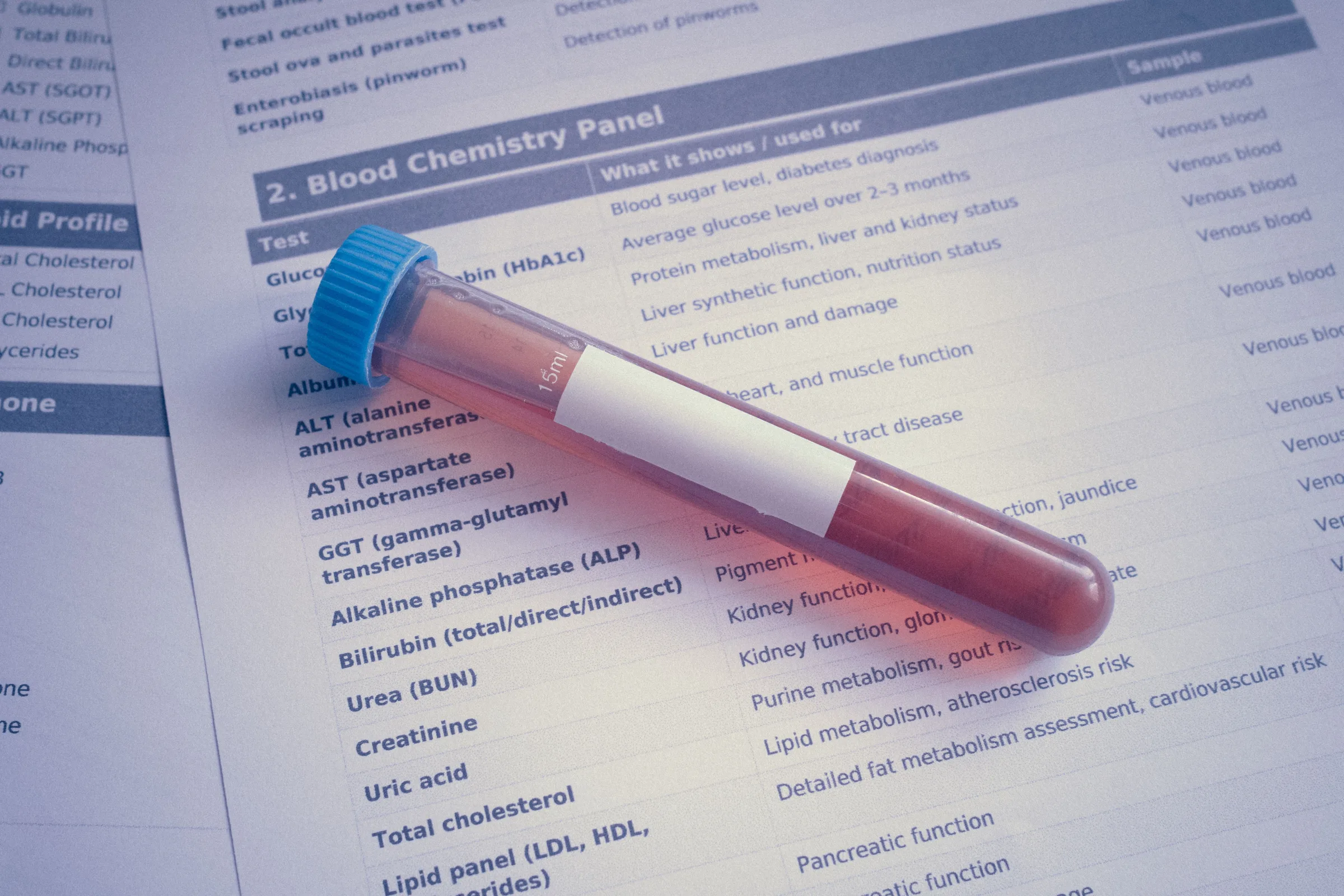
The Health Screenings Singapore Doctors Actually Recommend After 35
CHAS subsidies, Screen for Life, and MOH guidelines — a practical guide to what you should be testing and how often, based on your age and risk profile.
· 6 min read
Singapore's Screen for Life programme is one of the more comprehensive government-subsidised health screening initiatives in the region. For Singaporeans and permanent residents aged 35 and above, it covers a range of chronic disease screenings at CHAS-accredited clinics — with subsidies that make the cost negligible for most people. And yet uptake remains lower than it should be, in part because many people are unsure what they are being screened for and what to do with the results.
Here is a practical breakdown.
What Screen for Life covers at 35
The standard Screen for Life panel for adults 35 and above includes diabetes screening (fasting blood glucose and HbA1c), hypertension screening (blood pressure), hyperlipidaemia screening (lipid panel including total cholesterol, HDL, LDL, and triglycerides), and for women, cervical cancer screening via Pap smear or HPT test.
These screenings are subsidised at CHAS GP clinics. The frequency varies by risk: those with no risk factors are typically screened every three years; those with risk factors or borderline results may be followed up annually.
Breast cancer screening (mammogram) is separately available through BreastScreen Singapore for women aged 40 to 69, with subsidies available at designated polyclinics and hospitals. Colorectal cancer screening — via the Faecal Immunochemical Test, or FIT — is recommended from age 50.
What Screen for Life does not cover
The standard panel does not include several markers that are increasingly considered important for comprehensive preventive health: ferritin (iron stores), vitamin D, thyroid function (TSH), fasting insulin, or inflammatory markers like hsCRP. These require separate tests that your GP can order, but they are not part of the subsidised screen and must typically be paid for out of pocket.
For people with a family history of cardiovascular disease, it is also worth asking about a coronary calcium score or an advanced lipid panel (including ApoB and Lp(a)) after age 40. These are not standard recommendations but are gaining traction among preventive cardiologists in Singapore.
The most important thing you can do
Go. The single biggest barrier to preventive care in Singapore is not cost or access — it is inertia. A Screen for Life appointment takes about 30 minutes, costs very little with CHAS subsidies, and gives you a baseline from which every future result gains meaning. If you have not had a screen in the past three years, book one this week.
Read Next: What Your Health Data Can and Cannot Tell You
You might also like

Health is the New Flex
In Singapore, 8 out of 10 lives are lost to chronic diseases. The smartest move is clear: prevent problems before they start.
Preventive Care · · 3 min read

The hidden cost of burnout: why doctors need Genies too
Healthcare professionals are among the most data-literate people on the planet — yet they are often the last to apply that rigour to their own health.
Preventive Care · · 4 min read
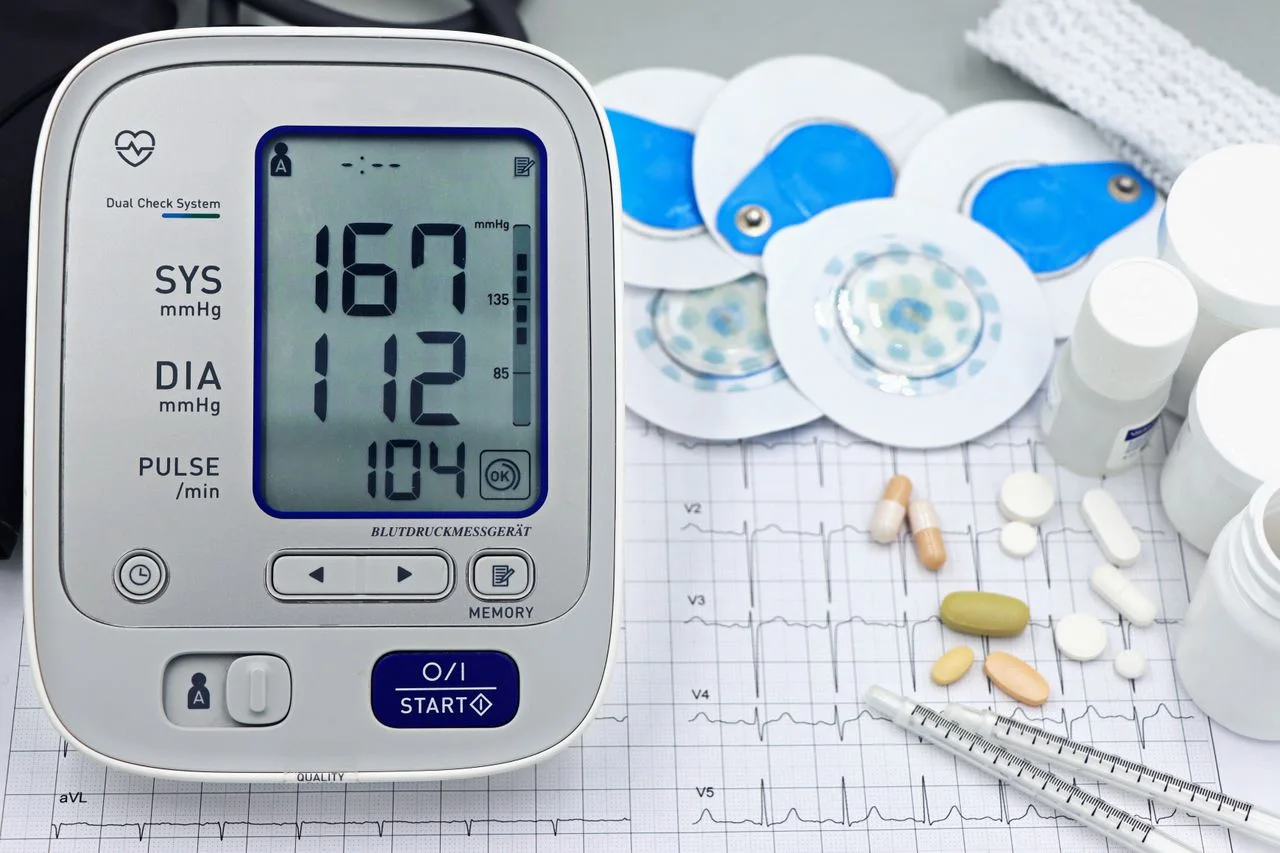
My Blood Pressure Has Gone Up. What Could Be Causing It?
There are many reasons you might get a higher-than-usual blood pressure reading, and one high reading doesn't necessarily mean you have high blood pressure.
Preventive Care · · 7 min read