What Your Health Data Can and Cannot Tell You
From wearables to blood panels — the honest picture of what personal health data is good for, what its limits are, and how to use it without overreading the numbers.
· 4 min read
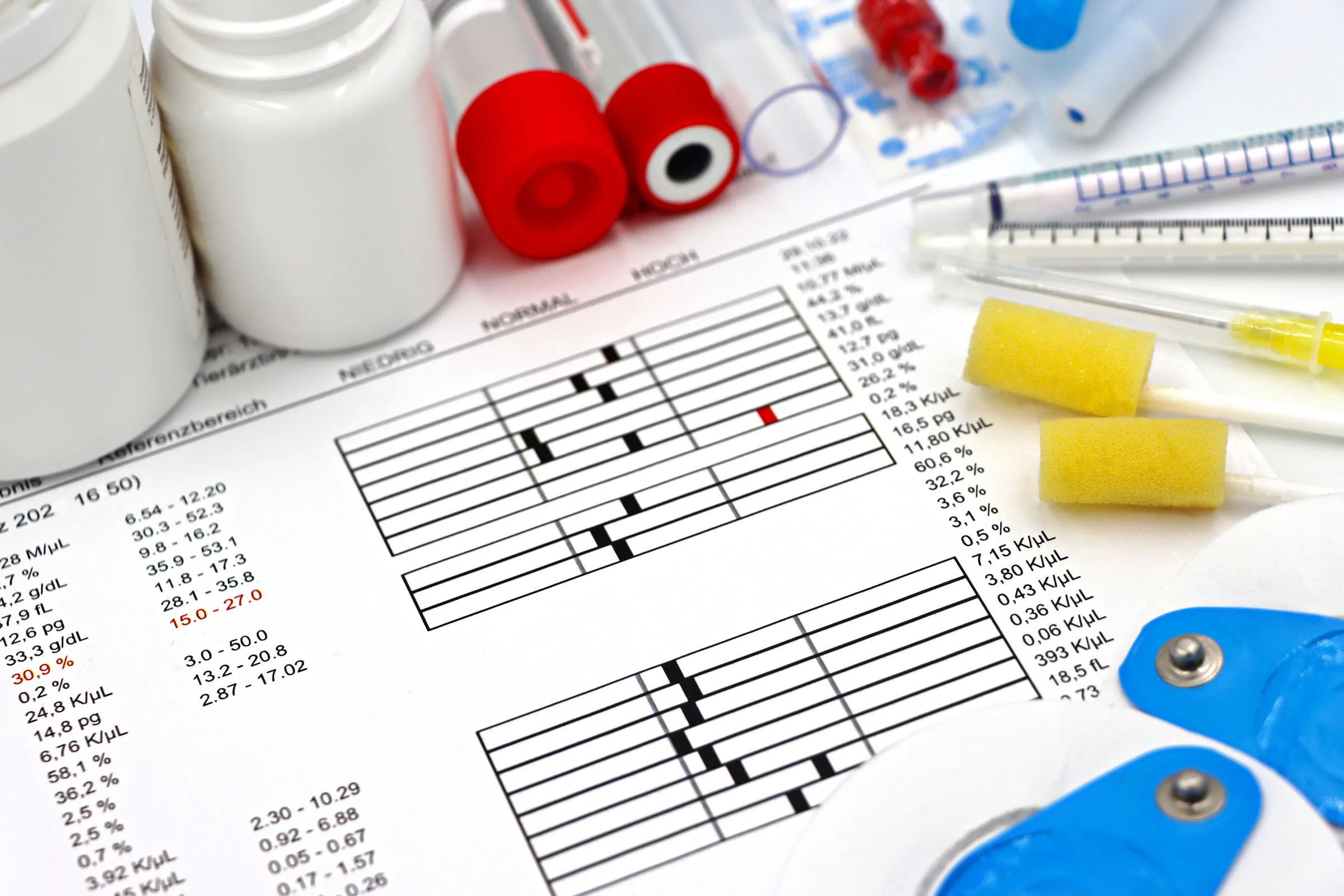
There has never been more health data available to individuals. Wearables measure heart rate, sleep stages, blood oxygen, and skin temperature. Continuous glucose monitors track real-time glucose fluctuations across the day. Annual health screenings generate blood panels with dozens of markers. Apps aggregate steps, calories, and activity minutes into coloured rings and weekly scores.
All of this data is potentially useful. But it is easy to confuse having data with having understanding — and the gap between the two is where most people get stuck.
What data is genuinely good for
Health data is most valuable when used to detect trends over time. A single resting heart rate reading of 72 bpm tells you almost nothing. A resting heart rate that was 64 bpm three years ago, moved to 68 bpm two years ago, and is now consistently at 72 bpm tells you something worth investigating — because the direction of travel is informative even when the absolute number is still within range.
The same applies to blood panels. An LDL cholesterol level of 3.4 mmol/L is not alarming on its own. An LDL that has risen from 2.8 to 3.1 to 3.4 over three consecutive annual screens, alongside a waist circumference that has increased by four centimetres, is a different story.
Data also helps you understand your own baselines. People vary significantly in what 'normal' looks like for them. Knowing your own stable ranges — for sleep heart rate, for fasting glucose, for haemoglobin — makes deviations meaningful in a way that population averages never can.
What data cannot tell you
Health data cannot diagnose. It can surface patterns and prompt questions, but it cannot replace a clinical assessment, a physical examination, or the contextual judgment of a doctor who knows your history. Treating a wearable reading or a slightly elevated marker as a diagnosis is a common mistake, and one that leads to unnecessary anxiety.
Data also cannot account for context without interpretation. A high resting heart rate on a day you travelled across time zones means something different than the same reading on a rest day at home. An elevated white blood cell count after a recent infection is expected. Numbers without context are noise.
The goal of personal health intelligence is not to turn you into your own diagnostician. It is to help you become a more informed participant in conversations with your care team — someone who notices things early, asks better questions, and understands their own trends well enough to act on the right signals.
Read Next: Why Your Cholesterol Reading Alone Is Not Enough
You might also like

The Office — The Genie Edition
Less PowerPoints and graphs, more the gentle chaos of a few people building a company in one room.
Data & Insights · · 2 min read
Building With No Playbook
There's no archetype for what we're building. We are drawing the map as we walk it.
Data & Insights · · 3 min read

The Teammate Who Never Logs Off
Our MVP doesn't take a salary, doesn't come to standup, and lives mostly inside a terminal.
Data & Insights · · 3 min read