
The hidden cost of burnout: why doctors need Genies too
Healthcare professionals are among the most data-literate people on the planet — yet they are often the last to apply that rigour to their own health.
· 4 min read
Healthcare professionals are among the most data-literate people on the planet. They understand what a rising HbA1c means, what a low ferritin looks like on a panel, and why visceral fat is more dangerous than the number on a scale. Yet they are often the last people to apply that rigour to their own health.
The reasons are well-documented. Time pressure is the most obvious — a GP seeing 30 patients a day does not have an hour to review their own blood results in context. But there is something deeper at work: the same emotional detachment that makes clinicians effective at managing uncertainty in patients can make it harder to take their own health signals seriously.
What burnout does to health data
Burnout is not a mood. It is a physiological state with measurable downstream effects. Chronic work stress elevates cortisol, which over time suppresses immune function, disrupts sleep architecture, raises fasting glucose, and accelerates cardiovascular risk. In a population of healthcare workers, these patterns show up clearly in the data — if anyone bothers to look.
Most do not. Many doctors have not had a comprehensive blood panel in years. Fewer still have a longitudinal view of their own markers. The irony is that the people best equipped to interpret health data are the ones least likely to have access to a clear, contextualised picture of their own.
Why Genie matters for clinicians
Genie was designed with this population in mind. A platform that surfaces patterns across time, contextualises results against personal history, and distils complex data into clear signals — that is useful for a 45-year-old professional who has never looked at a lab report. It is equally useful for a 42-year-old cardiologist who knows exactly what the numbers mean but has never had the space to sit with their own.
Taking care of yourself is not separate from taking care of your patients. It is the foundation.
Read Next: My blood sugar is high. What is a normal blood sugar level?
You might also like

Health is the New Flex
In Singapore, 8 out of 10 lives are lost to chronic diseases. The smartest move is clear: prevent problems before they start.
Preventive Care · · 3 min read
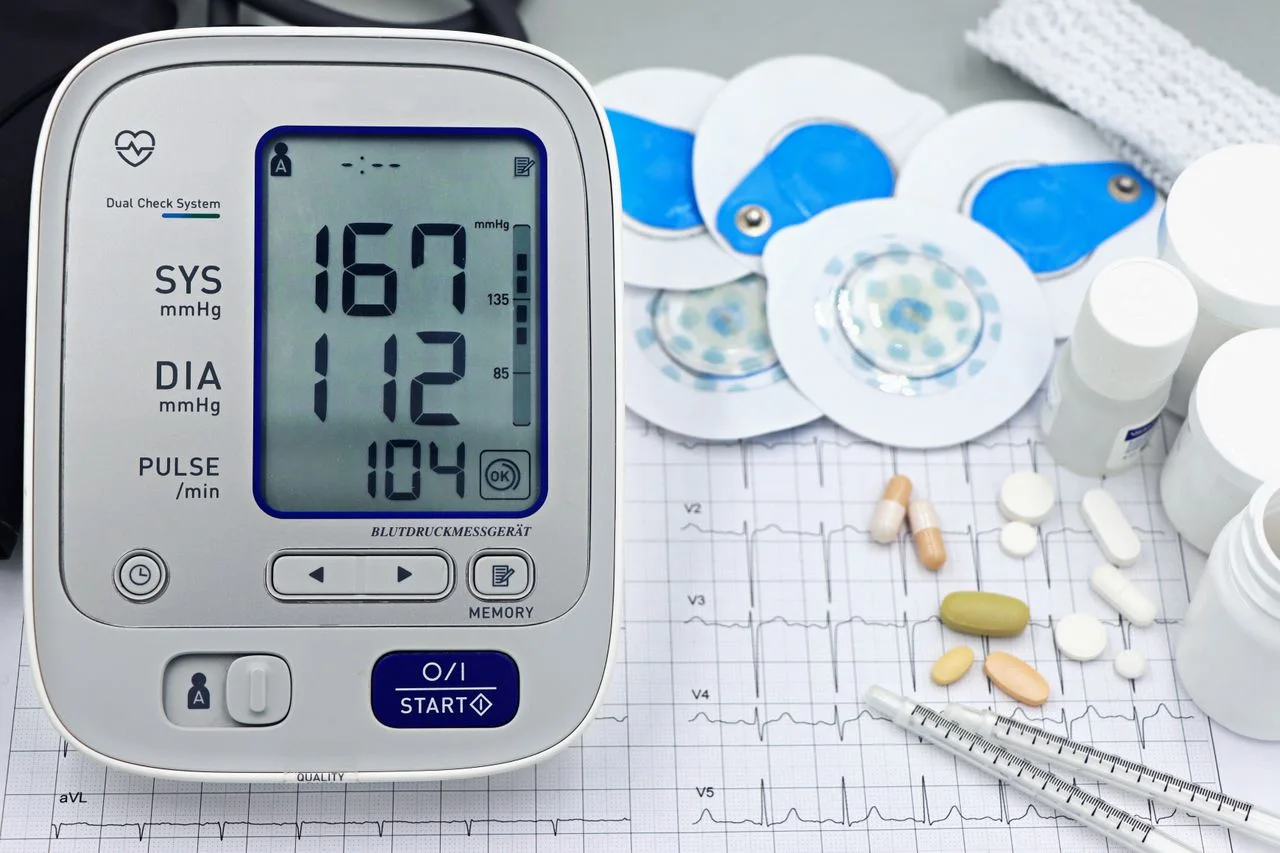
My Blood Pressure Has Gone Up. What Could Be Causing It?
There are many reasons you might get a higher-than-usual blood pressure reading, and one high reading doesn't necessarily mean you have high blood pressure.
Preventive Care · · 7 min read

What Is a Normal Blood Pressure? Understanding Your Numbers
For adults, normal blood pressure is defined as a reading strictly below 120/80 mmHg when measured at rest.
Preventive Care · · 6 min read