
You Only Get 10 Minutes With Your Doctor. Here's How to Make Them Count.
A short consultation can still be productive. Here is how to prepare, communicate clearly, and make sure you leave with a plan.
· 6 min read
Most people walk into a consultation the same way they walk into a meeting they didn't prepare for. They sit down, wait to be asked questions, answer from memory, and hope the doctor figured it out.
Usually, the doctor does a reasonable job. But "reasonable" isn't the same as "complete." And the difference between the two often comes down to what you brought into the room. A doctor can only work with the information they have.
This isn't about what we do wrong. It's about recognising that a consultation is a two-way exchange. The information you volunteer and the way you present it directly shapes the quality of your diagnosis and care plan.
What gets in the way
Time is short. Polyclinic doctors in Singapore average 58 consultations a day; private GPs, around 40. Factor in documentation, referrals, and admin, and each patient gets roughly 10 minutes. Doctors aren't rushing by choice. The system makes longer consultations difficult.
There's the communication gap: you describe how something feels ("my stomach's been off") instead of what's actually happening ("I've had loose stools three to four times a week for the past month, usually after meals"). The first gives the doctor a mood. The second gives them a pattern useful for diagnosis.
There's incomplete disclosure: The TCM herbs you've been taking, the supplements from iHerb, and the medication another specialist prescribed often go unmentioned because patients assume they're irrelevant. They're not. A 2024 study found that nearly two-thirds of patients at Singapore TCM clinics were taking Chinese herbal medicine and Western prescription drugs at the same time, and were 3.65 times more likely to experience adverse effects. In another study by NUS it was found that TCM use is not regularly disclosed to Western medicine doctors. Most patients won't bring it up unless the doctor asks first.
Then there's courtesy bias. This is common across South-East Asia. You notice the queue outside, sense the doctor is busy, and cut your story short. You nod when the doctor explains the diagnosis even though you didn't fully follow it. That nod is one of the most expensive habits in healthcare.
How to make the 10 minutes count
Here's what's worth knowing: ten minutes with a well-prepared patient is more productive than twenty minutes with an unprepared one. This doesn't require medical knowledge, but a shift in approach.
Before the visit:
Log your symptoms factually. Write down what you're experiencing, when it started, how often it happens, what makes it better, and what makes it worse. Stick to observations, not interpretations. "I think it might be stress-related" is an assumption. "It's worse on weekday mornings and improves over the weekend" is data.
Prepare a complete medication list. Include everything you're taking, whether prescribed, over-the-counter, traditional remedies, or supplements. If you can't remember the names, bring the packaging or snap a photo beforehand.
Bring your health records — ideally from the last two years, or whichever are most relevant to your current concern. This is the one most people skip, and it matters more than they realise. Doctors diagnose from trends, not single data points. A blood pressure reading today means more when compared against readings from a year ago.
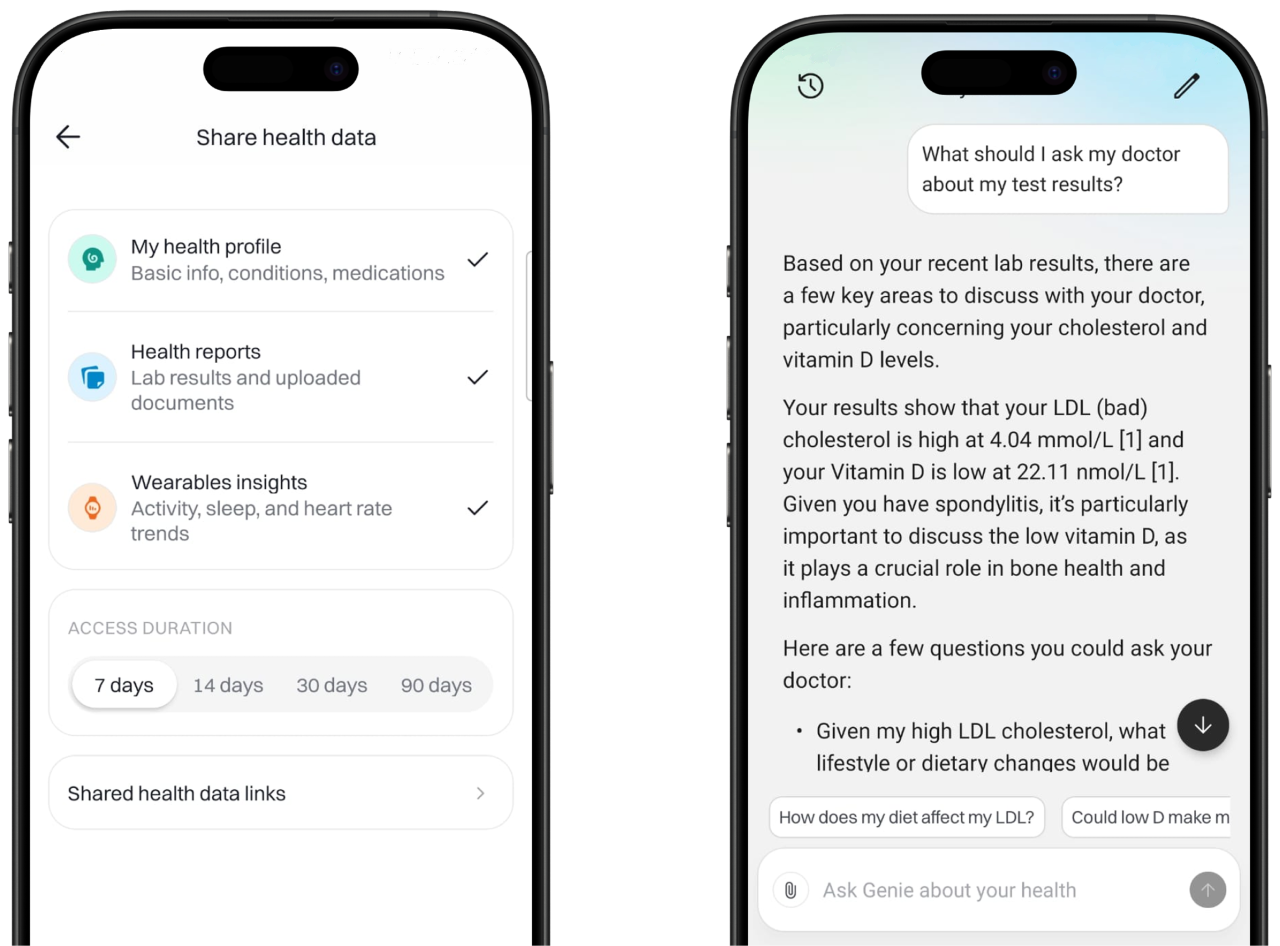
The problem is that most Singaporeans have records scattered across providers: polyclinics, private GPs, specialists, hospitals. Some manage it with folders of printed results, PDFs from HealthHub, or photographed lab slips, but it's hard to keep organised and harder to pull together at short notice. Singapore's HealthHub gives you access to records from public institutions, which is a good starting point. Genie's Health Locker goes further and brings your lab reports, health screenings, and medical records together in one place, secured and organised, with a shareable health snapshot any doctor can read at a visit. Your screening results, health history, and medications become accessible regardless of which clinic issued them.
Write down your questions. Rank them. Start with the most important one, because you may not get to all of them. Think beyond the diagnosis: What should I watch for? When should I come back? Are there lifestyle changes that would help? If you're unsure how to frame a medical question clearly, Ask Genie can help you prepare before the visit so you walk in knowing what to ask and how to ask it.
In the room
Lead with the reason you're here. Don't wait for the doctor to guess. Open with your main concern and the timeline. "I've had recurring headaches for the past three weeks, mostly in the afternoon, and paracetamol isn't helping" gives the doctor a clear starting point.
Don't nod through what you don't understand. If the doctor names a condition or prescribes something unfamiliar, ask what it means and what to expect. You're not wasting their time; you're making sure the consultation actually works.
Mention everything. If you have a second concern, say so early. "I also wanted to ask about something else" lets the doctor manage the time.
The consultation doesn't end at the door
What you do after matters too. Write down what the doctor said while it's fresh — the diagnosis, the medication instructions, the follow-up plan, and any referral timelines or blood work that needs to be done.
A ten-minute consultation, done well, can be the most efficient healthcare interaction you have. But it needs both people in the room to show up ready.
FAQs
- What should I bring to a doctor's appointment?
- Bring a written list of your current symptoms (with timeline and frequency), a complete medication list including supplements and TCM, your NRIC or health card, and any relevant past medical records, especially test results, imaging, or discharge summaries from previous visits.
- How do I describe my symptoms to a doctor effectively?
- Focus on observable facts rather than assumptions. Note when the symptom started, how often it occurs, what makes it better or worse, and whether anything changed around the time it began (diet, activity, stress, new medication). Avoid self-diagnosing; describe what's happening and let the doctor interpret.
- How can I keep track of my medical records across different clinics?
- Singapore's National Electronic Health Record (NEHR) & HealthHub capture data across public institutions, but may only partially cover private GP visits, specialist consultations, or records from overseas. Tools like Genie Health Locker let you consolidate records from different providers into one place, so you and your doctor always have secure access to your full medical history.
References & Sources
- Lee KH, et al. (2022). General practitioners' views on retaining Singapore's primary care doctors. BMC Primary Care. https://bmcprimcare.biomedcentral.com/articles/10.1186/s12875-022-01774-z
- Ng CYJ, et al. (2024). A multi-center cross-sectional study of Chinese Herbal Medicine-Drug adverse reactions using active surveillance in Singapore's TCM clinics. Chinese Medicine, 19:44. https://cmjournal.biomedcentral.com/articles/10.1186/s13020-024-00915-z
- Lee WQ, et al. (2019). Factors influencing communication of traditional Chinese medicine use between patients and doctors: A multisite cross-sectional study. Journal of Integrative Medicine, 17(6):396–403. https://pubmed.ncbi.nlm.nih.gov/31548146/
- Teo DCH, et al. (2016). Primary care characteristics and their association with health screening in a low-socioeconomic status public rental-flat population in Singapore. BMC Family Practice. https://pmc.ncbi.nlm.nih.gov/articles/PMC4744417/
Read Next: What Causes Chronic Inflammation, and How Do You Actually Measure It?
You might also like

Health is the New Flex
In Singapore, 8 out of 10 lives are lost to chronic diseases. The smartest move is clear: prevent problems before they start.
Preventive Care · · 3 min read

The hidden cost of burnout: why doctors need Genies too
Healthcare professionals are among the most data-literate people on the planet — yet they are often the last to apply that rigour to their own health.
Preventive Care · · 4 min read
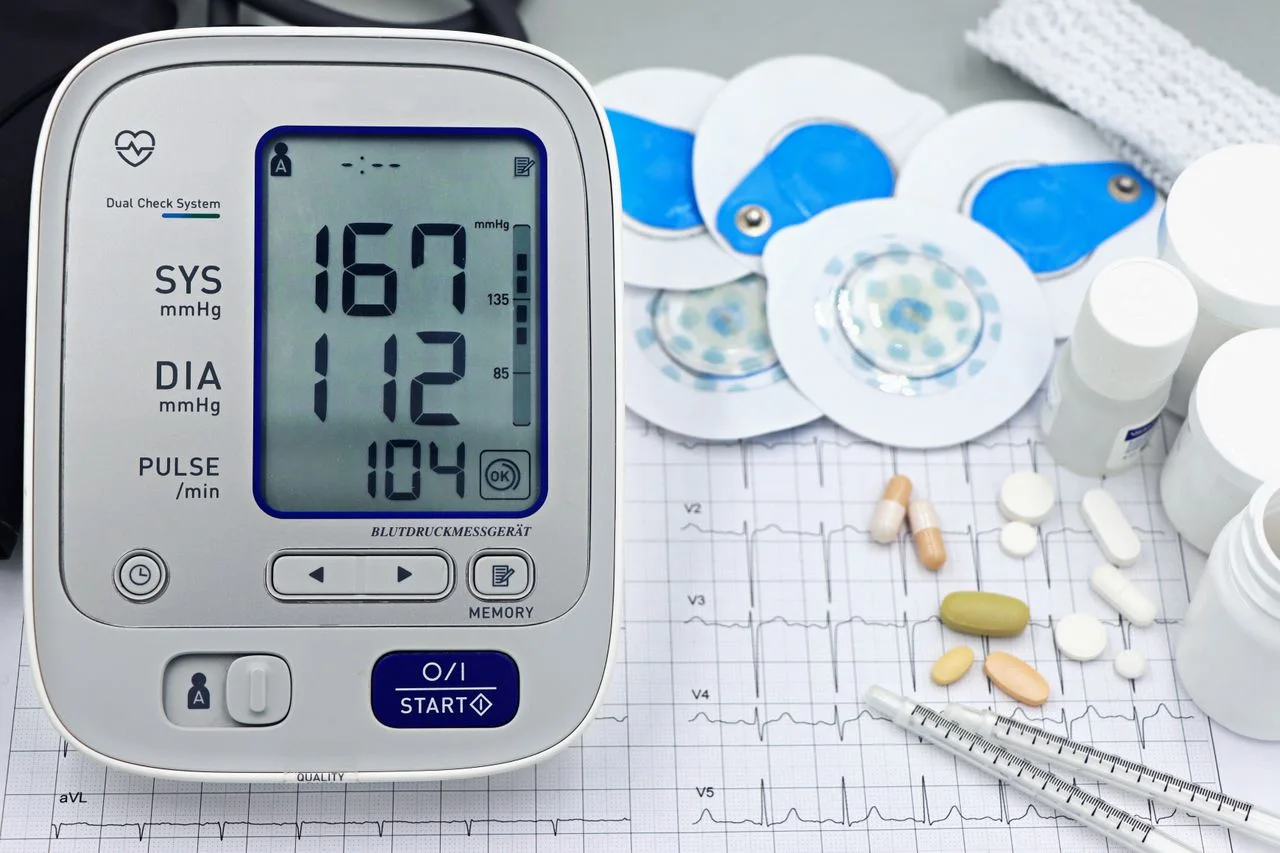
My Blood Pressure Has Gone Up. What Could Be Causing It?
There are many reasons you might get a higher-than-usual blood pressure reading, and one high reading doesn't necessarily mean you have high blood pressure.
Preventive Care · · 7 min read