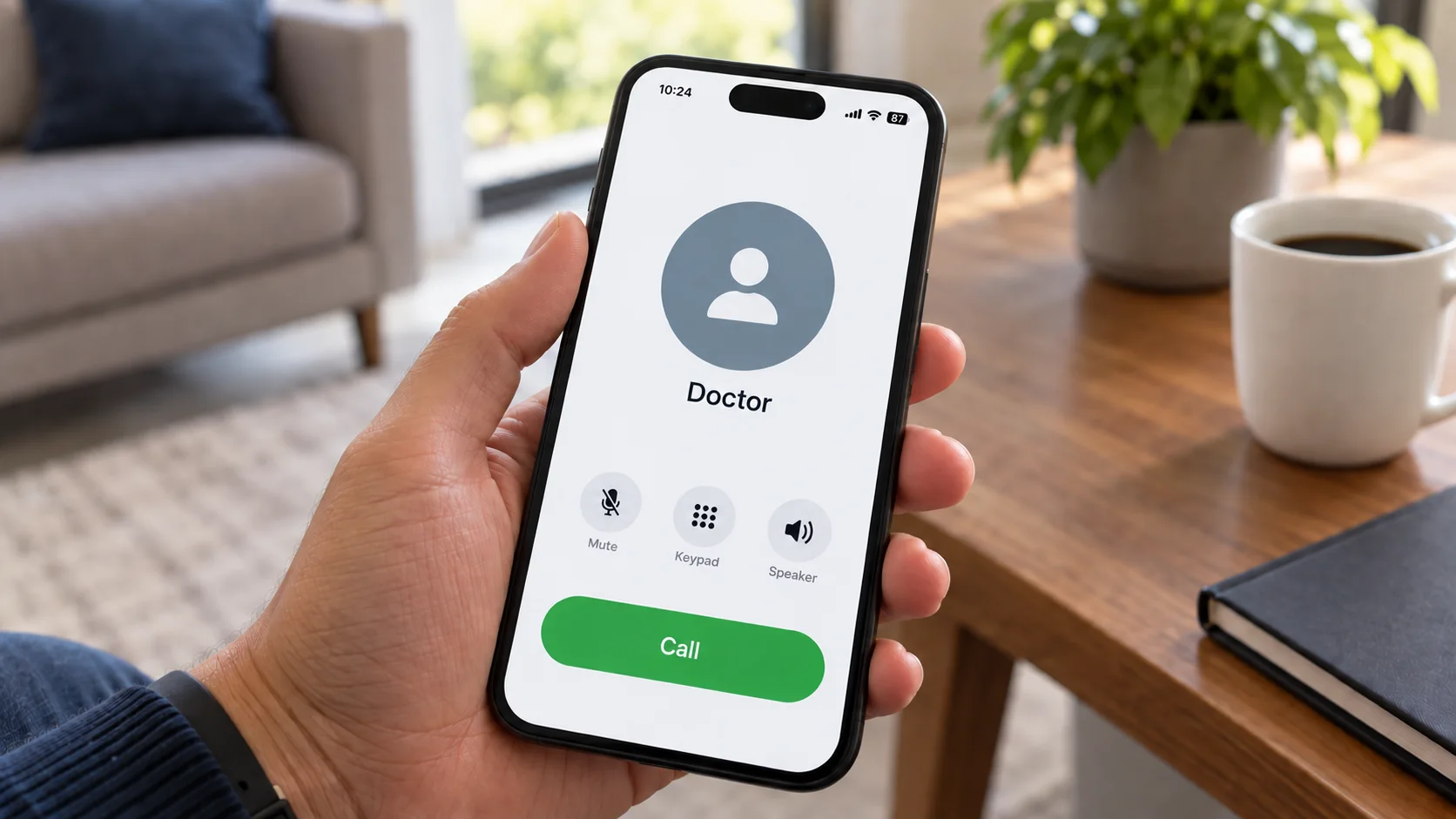
When Should I See a Doctor About High Blood Pressure?
Learn when a high reading warrants medical attention, what to bring to your doctor, and where to get your blood pressure checked in Singapore.
· 5 min read
If you get one higher-than-usual blood pressure reading, it doesn't necessarily mean you have hypertension.
But if your readings remain elevated across repeated, properly taken measurements, it's worth discussing the pattern with a healthcare professional. Only a qualified healthcare professional can diagnose high blood pressure.
High blood pressure often presents no obvious symptoms. When symptoms do occur, they can include headaches, dizziness, blurred vision, shortness of breath, chest pain or nosebleeds and may require urgent medical attention.
Left unmanaged over time, high blood pressure can increase the risk of serious complications including heart attack, stroke, heart failure, kidney damage and vision loss. Read more about the symptoms and risks of high blood pressure from the Singapore Heart Foundation
When is a high reading worth discussing with my doctor?
Current AHA/ACC categories classify readings of:
| Category | Systolic | Diastolic |
|---|---|---|
| Normal | Below 120 | and below 80 |
| Elevated | 120–129 | and below 80 |
| Stage 1 range | 130–139 | or 80–89 |
| Stage 2 range | 140+ | or 90+ |
These ranges help classify blood-pressure measurements. They do not diagnose an individual based on a single reading. See the AHA blood-pressure categories
If readings are repeatedly elevated, a healthcare professional can look at the pattern alongside factors such as your health history, medications and broader cardiovascular risk.
What should I bring to my doctor?
Instead of bringing one number, bring the pattern.
Useful information can include:
- Recent blood-pressure readings and when they were taken
- Any previous blood-pressure history
- Your medications and supplements
- Recent health-screening or blood-test results
- Relevant medical and family history
- Any symptoms or other changes you've noticed
This gives your healthcare professional more context than a single measurement taken during the consultation.
If your health reports, blood test results and wearable data are already in Genie, you can generate a Health Summary that brings this information together in a format designed for your healthcare provider. That way, instead of arriving with scattered PDFs and trying to remember what changed, you can walk in with an organised overview of your recent health alongside your blood pressure readings.
Can I have high blood pressure without feeling unwell?
Yes. This is common.
High blood pressure often develops gradually, and the body can adjust to operating at higher pressure levels without producing obvious warning signs. The Singapore Heart Foundation describes high blood pressure as a "silent killer" because many people remain unaware of it until significant damage has occurred. Read the Singapore Heart Foundation's guidance on high blood pressure
When symptoms do appear, they can include headaches, dizziness, blurred vision, shortness of breath, chest pain or nosebleeds. But these symptoms are not specific to high blood pressure. Headaches and dizziness in particular are easy to attribute to stress, fatigue or other causes, which means elevated blood pressure can go unrecognised even when there are signs.
It is also worth noting that a single high reading may not reflect your usual blood pressure. Factors such as recent caffeine, physical activity, a full bladder or anxiety during a clinical visit can produce a temporarily higher measurement. Repeated readings taken under consistent conditions give a more reliable picture.
If your readings are persistently elevated across multiple properly taken measurements and you feel well, this is still worth discussing with a healthcare professional. Feeling well does not tell you whether your blood pressure is within a safe range, and a healthcare professional can assess the pattern alongside your broader health and cardiovascular risk.
When is high blood pressure an emergency?
This is the important distinction.
If your blood pressure is higher than 180/120 mmHg, the American Heart Association recommends waiting at least one minute and measuring again.
If it remains above 180/120 without concerning symptoms, contact a healthcare professional as soon as possible.
If blood pressure is above 180/120 and you have symptoms such as chest pain, shortness of breath, back pain, numbness, weakness, changes in vision, or difficulty speaking, this may represent a hypertensive emergency and requires emergency medical care.
In Singapore, that means seeking emergency medical assistance rather than waiting for a routine appointment.
What about blood pressure during pregnancy?
Pregnancy is an important exception to many of the general thresholds discussed in this series.
Blood-pressure classifications and thresholds for urgent assessment can differ during pregnancy. Current AHA guidance, for example, uses 140/90 mmHg or higher for hypertension in pregnancy, with different thresholds for severe hypertension.
If you are pregnant and concerned about your blood pressure, speak to your obstetric or healthcare team rather than interpreting the reading using a general adult blood-pressure chart.
Where can I get my blood pressure checked in Singapore?
Blood-pressure measurement is part of Singapore's national preventive screening programme.
Under Healthier SG Screening, eligible Singapore Citizens can get cardiovascular risk screening, which includes blood pressure measurement at participating CHAS GP clinics, at subsidised rates. Citizens enrolled with a Healthier SG clinic may pay nothing for eligible screening tests. Pioneer and Merdeka Generation cardholders also receive additional subsidies.
Blood-pressure checks are also available at polyclinics during routine consultations. You do not need to wait for a formal screening programme to have your blood pressure measured during a GP or polyclinic visit.
If you've already noticed a persistent change, you don't need to wait for the next routine screening interval to discuss it with a healthcare professional.
The bigger picture
Blood pressure is important partly because it sits within a wider cardiovascular picture.
Your readings may be considered alongside information such as cholesterol, blood glucose, weight, smoking status, activity, family history and other health conditions.
So after learning how to measure, understand and track your blood pressure, the next useful question is: How does blood pressure fit with the rest of my health?
FAQs
- Does one high blood pressure reading mean I have hypertension?
- If you get one higher-than-usual blood pressure reading, it doesn't necessarily mean you have hypertension. Repeated, properly taken measurements help show whether readings remain elevated.
- What information should I bring to my doctor?
- Useful information can include recent blood-pressure readings and when they were taken, any previous blood-pressure history, your medications and supplements, recent health-screening or blood-test results, relevant medical and family history, and any symptoms or other changes you've noticed.
- Can I have high blood pressure without feeling unwell?
- Yes. This is common. High blood pressure often develops gradually, and the body can adjust to operating at higher pressure levels without producing obvious warning signs.
- When is high blood pressure an emergency?
- If blood pressure is above 180/120 and you have symptoms such as chest pain, shortness of breath, back pain, numbness, weakness, changes in vision, or difficulty speaking, this may represent a hypertensive emergency and requires emergency medical care.
- What blood pressure is used for hypertension in pregnancy?
- Current AHA guidance uses 140/90 mmHg or higher for hypertension in pregnancy, with different thresholds for severe hypertension. Speak to your obstetric or healthcare team about a concerning reading.
References & Sources
- Home Blood Pressure Monitoring https://www.heart.org/en/health-topics/high-blood-pressure/understanding-blood-pressure-readings/monitoring-your-blood-pressure-at-home
- High Blood Pressure Symptoms, Signs, and Causes https://www.myheart.org.sg/health/risk-factors/high-blood-pressure/
- Understanding Blood Pressure Readings https://www.heart.org/en/health-topics/high-blood-pressure/understanding-blood-pressure-readings
- When to Call 911 for High Blood Pressure https://www.heart.org/en/health-topics/high-blood-pressure/understanding-blood-pressure-readings/when-to-call-911-for-high-blood-pressure
- Healthier SG Screening - National Health Screening Programme https://www.healthhub.sg/programmes/healthiersg-screening
Note: This content is for general informational purposes only and is not medical advice, diagnosis or treatment. It does not replace consultation with a qualified healthcare professional. If you have concerns about your heart health, please consult a qualified physician.
Read Next: Blood Pressure, Cholesterol and Blood Sugar: How Do They Fit Together?
You might also like
Health is the New Flex
In Singapore, 8 out of 10 lives are lost to chronic diseases. The smartest move is clear: prevent problems before they start.
Preventive Care · · 3 min read

The hidden cost of burnout: why doctors need Genies too
Healthcare professionals are among the most data-literate people on the planet — yet they are often the last to apply that rigour to their own health.
Preventive Care · · 4 min read
My Blood Pressure Has Gone Up. What Could Be Causing It?
There are many reasons you might get a higher-than-usual blood pressure reading, and one high reading doesn't necessarily mean you have high blood pressure.
Preventive Care · · 7 min read