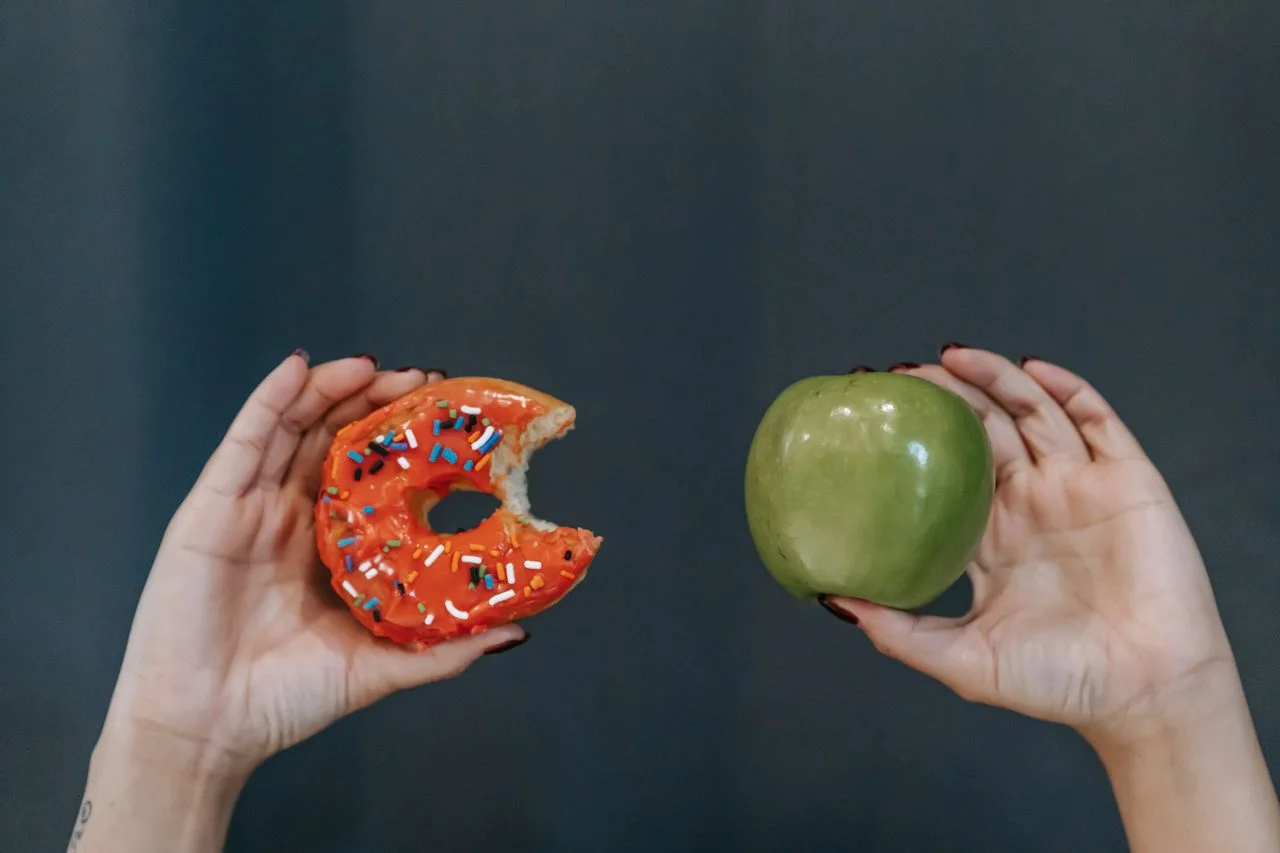
How Can I Lower My Blood Pressure? What Actually Helps
If your blood pressure is consistently higher than it should be, several lifestyle factors have been linked with lower blood pressure.
· 7 min read
If your blood pressure is consistently higher than it should be, there are several lifestyle changes that can help lower blood pressure. These include reducing sodium, eating a heart-healthy diet, being physically active, maintaining a healthy weight, limiting alcohol and managing stress. Current cardiovascular guidelines recommend these lifestyle measures for adults with elevated blood pressure or hypertension.
But not every factor will be equally relevant to everyone. The more useful question is often:
Which factors might matter most for me, and how can I tell whether things are moving in the right direction?
Does eating less salt help lower blood pressure?
Yes. Reducing dietary sodium is one of the best-established lifestyle measures associated with lower blood pressure.
This is particularly relevant in Singapore.
Singapore's National Nutrition Survey 2022 found that average sodium intake was around 3,620 mg per day, while 90% of adult residents exceeded the World Health Organization recommendation of less than 2,000 mg per day. Salt, sauces and seasonings used in food preparation, particularly in the eat-out sector, were major contributors.
That means sodium isn't only about how much salt you add at the table. Sauces, seasoning, soups, processed foods and meals eaten outside the home can all contribute.
Singapore's HealthHub healthy eating guide for high blood pressure provides more information on sodium and dietary patterns associated with blood pressure.
What kind of diet is associated with lower blood pressure?
The overall pattern of what you eat matters too.
The DASH diet, or Dietary Approaches to Stop Hypertension, is a heart-healthy eating pattern commonly referenced in blood-pressure guidelines. It emphasises foods such as vegetables, fruits, whole grains and other nutrient-rich foods, while limiting foods high in saturated fat and sodium.
The 2025 AHA/ACC guideline includes a heart-healthy eating pattern such as DASH among its recommended lifestyle measures for preventing and managing elevated blood pressure.
In practice, this doesn't necessarily mean following a rigid "blood pressure diet". The broader principle is a dietary pattern that is nutrient-rich, lower in sodium and sustainable over time.
Does exercise help lower blood pressure?
Regular physical activity is also associated with lower blood pressure and better cardiovascular health.
An American Heart Association scientific statement found that increasing physical activity can produce clinically meaningful average reductions in both systolic and diastolic blood pressure, although individual responses vary.
Walking, cycling, swimming, and other forms of aerobic activity regularly can all contribute to overall physical activity. The important word is regular. Blood-pressure benefits are associated with an ongoing pattern of physical activity rather than a single workout.
Can losing weight lower blood pressure?
For individuals carrying excess weight, weight loss can lead to improvements in blood pressure.
Clinical studies suggest that losing weight directly reduces the workload on your blood vessels. A medical analysis found that lowering your body mass index (BMI) through weight loss results in an average drop in systolic blood pressure and diastolic blood pressure. But weight is just one factor. Blood pressure is also influenced by diet, activity, alcohol, stress, genetics, age, and underlying health conditions.
So the objective shouldn't necessarily be to chase a particular number on the weighing scale. It is more useful to understand weight alongside other factors that are relevant to cardiovascular health.
What about alcohol and smoking?
Higher levels of alcohol consumption are associated with higher blood pressure and cardiovascular risk.
The American Heart Association notes that consuming two or more alcoholic drinks per day can increase blood pressure, while reducing heavy alcohol consumption can lower it.
Smoking is also an important cardiovascular risk factor. Even when the immediate concern is blood pressure, the broader goal is reducing the risk of cardiovascular disease rather than focusing on a single measurement.
Can stress and sleep affect blood pressure?
Stress can affect blood pressure, and stress management is included among the lifestyle measures recommended in current blood-pressure guidance.
Sleep can also provide useful context.
For example, conditions such as obstructive sleep apnoea are associated with hypertension. Persistent sleep problems, heavy snoring or excessive daytime sleepiness can therefore be worth discussing with a healthcare professional.
This is another reason why blood pressure shouldn't always be considered in isolation.
Which changes can have the biggest impact?
There isn't one answer that applies to everyone. Someone who eats outside frequently and consumes a high-sodium diet may have a very different health picture from someone who already eats well but is relatively inactive.
And someone whose blood pressure has changed alongside changes in weight, sleep or other health markers may have yet another picture.
Rather than assuming a single cause, it can be useful to think in terms of:
Understand your readings → understand the wider context → identify factors worth exploring → track what changes over time
A healthcare professional can help determine which lifestyle factors, investigations or treatments are appropriate for an individual's circumstances.
If your blood pressure readings, health screening reports and wearable data such as activity, sleep and resting heart rate are in the Genie app, Ask Genie can help you explore which signals may be relevant to the changes you're seeing. For example: "My blood pressure has been trending upwards. Looking at my health reports, activity and sleep data, what patterns might be worth exploring with my doctor?"
And if you make changes following advice from your healthcare professional, keeping your readings and other health information together can make it easier to see how those signals change over time.
What if lifestyle changes aren't enough?
Lifestyle measures are an important part of blood-pressure management, but they aren't a substitute for medical assessment or prescribed treatment.
Whether medication or another intervention is appropriate depends on factors including blood-pressure measurements, cardiovascular risk, medical history and other health conditions. Current guidelines explicitly use this broader clinical context when determining treatment.
If you've already been prescribed blood-pressure medication, changes to medication or dosage should be discussed with your healthcare professional.
How do I know whether anything is changing?
This is where measurement becomes useful.
Blood pressure can fluctuate from day to day, so one lower or higher reading doesn't necessarily tell you whether something is working.
Looking at consistently measured readings over time can provide a much clearer picture of the direction your blood pressure is moving.
That leads to the next question:
FAQs
- Does eating less salt help lower blood pressure?
- Yes. Reducing dietary sodium is one of the best-established lifestyle measures associated with lower blood pressure.
- What kind of diet is associated with lower blood pressure?
- The DASH diet, or Dietary Approaches to Stop Hypertension, is a heart-healthy eating pattern commonly referenced in blood-pressure guidelines. It emphasises vegetables, fruits, whole grains and other nutrient-rich foods, while limiting foods high in saturated fat and sodium.
- Does exercise help lower blood pressure?
- Regular physical activity is also associated with lower blood pressure and better cardiovascular health.
- Can losing weight lower blood pressure?
- For individuals carrying excess weight, weight loss can lead to improvements in blood pressure.
- What if lifestyle changes aren't enough?
- Lifestyle measures are an important part of blood-pressure management, but they aren't a substitute for medical assessment or prescribed treatment.
References & Sources
- National Health Surveys Highlight Need to Focus on Healthy Diets and Lifestyles https://www.moh.gov.sg/newsroom/national-health-surveys-highlight-need-to-focus-on-healthy-diets-and-lifestyles/
- High Blood Pressure: Healthy Eating Guide https://www.healthhub.sg/health-conditions/high-blood-pressure-healthy-eating-guide
- 2025 High Blood Pressure Guideline: Top Things to Know https://professional.heart.org/en/science-news/2025-high-blood-pressure-guideline/top-things-to-know
- Effect of weight loss on blood pressure changes in overweight patients: A systematic review and meta-analysis https://pmc.ncbi.nlm.nih.gov/articles/PMC10184479/
Note: This content is for general informational purposes only and is not medical advice, diagnosis or treatment. It does not replace consultation with a qualified healthcare professional. If you have concerns about your heart health, please consult a qualified physician.
Read Next: How Often Should I Check My Blood Pressure?
You might also like

Health is the New Flex
In Singapore, 8 out of 10 lives are lost to chronic diseases. The smartest move is clear: prevent problems before they start.
Preventive Care · · 3 min read

The hidden cost of burnout: why doctors need Genies too
Healthcare professionals are among the most data-literate people on the planet — yet they are often the last to apply that rigour to their own health.
Preventive Care · · 4 min read
My Blood Pressure Has Gone Up. What Could Be Causing It?
There are many reasons you might get a higher-than-usual blood pressure reading, and one high reading doesn't necessarily mean you have high blood pressure.
Preventive Care · · 7 min read