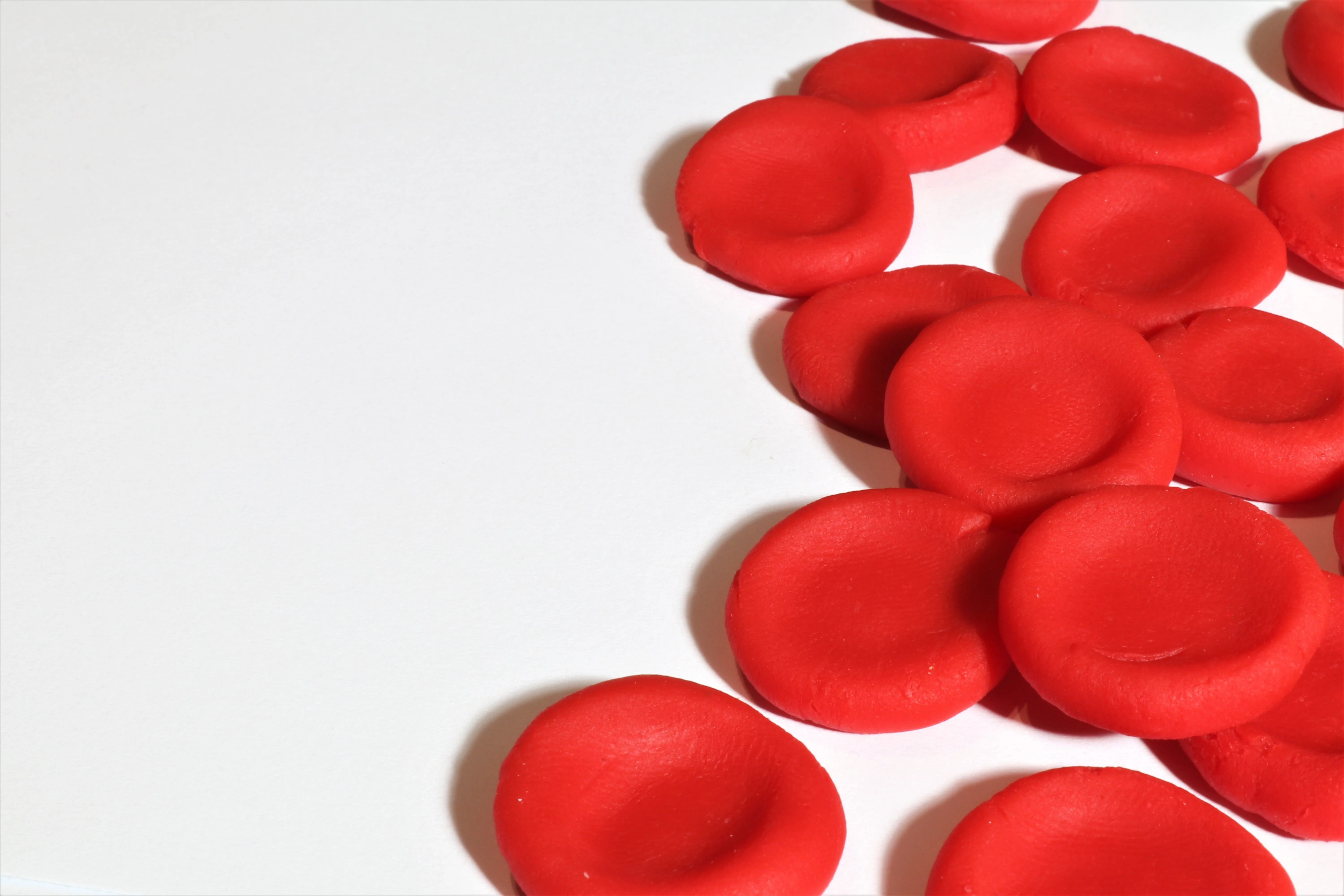
Iron Deficiency in Women: Why Standard Panels Often Miss It
Fatigue, hair thinning, difficulty concentrating — these are classic signs of low iron. So why do so many women in Singapore receive a 'normal' report and no follow-up?
· 4 min read
Iron deficiency is the most common nutritional deficiency in the world, and women are disproportionately affected. Menstrual blood loss alone can deplete iron stores over months or years, often without a single abnormal result appearing on a standard blood panel.
The reason comes down to what most panels actually measure. A standard CBC will flag low haemoglobin — the oxygen-carrying protein in red blood cells — as the marker of anaemia. But haemoglobin only drops after your iron stores have been depleted for some time. By the time haemoglobin is low, you have likely been iron-deficient for months.
The marker that most panels don't include
Ferritin is the protein that stores iron in your body. It is a much earlier and more sensitive indicator of iron status than haemoglobin. A woman can have a completely normal haemoglobin level — 12.5 g/dL, nothing flagged — and still have ferritin levels so low that her body cannot sustain normal energy metabolism, cognitive function, or hair growth.
The challenge is that ferritin is not included in Singapore's standard Screen for Life blood panel. It requires a separate add-on test, which many GPs will only order if they suspect a problem. But if haemoglobin looks normal on the standard panel, there is often no prompt to investigate further.
This is a gap that disproportionately affects women in their reproductive years. Symptoms like persistent fatigue, hair shedding, brain fog, and low mood are commonly attributed to stress, sleep, or lifestyle — when the underlying cause may be something as straightforward as depleted iron stores.
What to do
If you have symptoms consistent with iron deficiency and your standard panel has come back normal, it is worth asking your GP specifically about a ferritin test. A ferritin level below 30 ng/mL is considered suboptimal by many integrative medicine practitioners, even if it falls within the clinical 'normal' range.
Supplementing iron without testing is not recommended — iron overload carries its own risks. But knowing your ferritin level is a low-cost, high-value piece of information that many women in Singapore are currently missing.
Read Next: HbA1c vs Fasting Glucose: What Your Metabolic Numbers Really Mean
You might also like
PCOS and Blood Sugar: The Link Most Women in Singapore Don't Know About
Polycystic ovary syndrome affects roughly one in ten women — but its connection to insulin resistance and long-term metabolic risk rarely comes up in a standard GP consultation.
Women's Health · · 4 min read

Perimenopause in Your 40s: The Symptoms Most Singapore Women Don't Recognise
Perimenopause can begin a decade before menopause — yet most women reach their mid-40s with no framework for understanding what is happening to their bodies. Here is what to look for.
Women's Health · · 5 min read

Perimenopause and Your Health Data: Understanding What's Changing and Why
Perimenopause isn't a single event. It's a years-long process, and the standard approach to testing often isn't enough to identify it. This article explains what is actually shifting inside your body during this transition, which biomarkers capture those shifts, and why the way you test matters as much as what you test.
Women's Health · · 7 min read