My Blood Pressure Has Gone Up. What Could Be Causing It?
Why blood pressure can rise, how to check your readings and when to seek care in Australia. Evidence-linked guidance and questions to discuss with your clinician.
Australia · · 7 min read
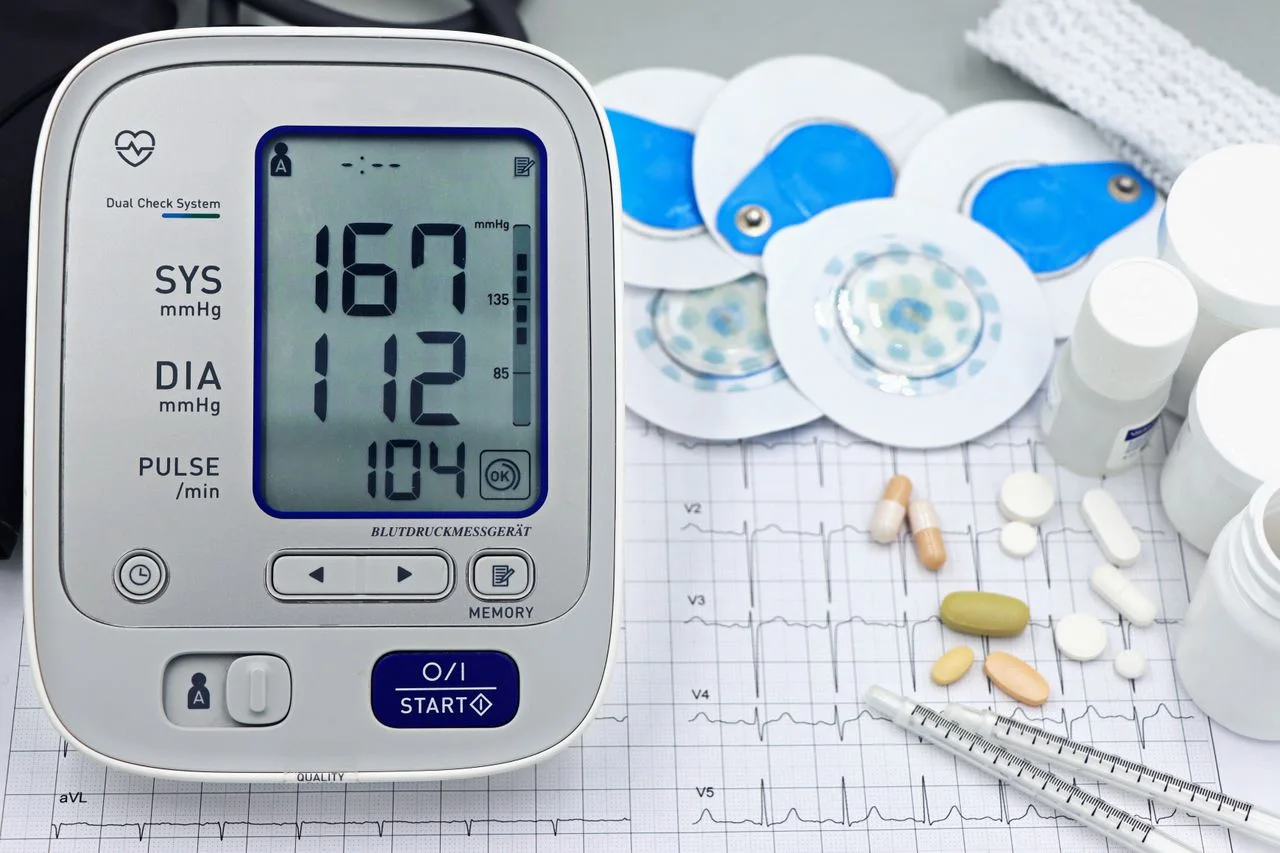
There are many reasons you might get a higher-than-usual blood pressure reading. Some are temporary. Your reading can be affected by recent exercise, caffeine, smoking, stress or not resting sufficiently before measuring it. An incorrectly sized cuff or poor measuring technique can also give you a misleading result.
Other factors are associated with higher blood pressure over the longer term. These include being less physically active, gaining weight, a diet high in salt, smoking and drinking too much alcohol. Age, genetics and conditions such as diabetes or kidney disease can also affect the risk of hypertension.
If your blood pressure is higher than usual, one high reading doesn't necessarily mean you have high blood pressure. What matters more is whether your blood pressure remains higher across multiple properly taken readings.
The World Health Organization's guidance on hypertension provides an overview of major modifiable and non-modifiable risk factors.
This is particularly relevant in Australia, where the Australian Bureau of Statistics reported that 23.3% of adults had high measured blood pressure in 2022.
Could stress be causing my blood pressure to rise?
Stress or anxiety can contribute to temporary increases in blood pressure.
The Australian Heart Foundation explains that 24-hour ambulatory blood pressure monitoring shows how readings change through the day and night. If a clinic reading seems unexpectedly high, ask your doctor whether monitoring outside the clinic would help clarify the pattern.
So an unexpectedly high reading at a clinic does not automatically mean someone has hypertension. A healthcare professional may want to look at additional measurements before reaching a conclusion.
You may also have heard of "white-coat hypertension", where someone's blood pressure is higher when measured in a clinical environment than outside it.
How do I know whether the increase is real?
The first step is making sure you're comparing reliable measurements.
For home monitoring, the Australian Heart Foundation recommends using a monitor validated for accuracy. Avoid smoking and caffeine for 30 minutes beforehand, sit quietly for five minutes, and follow your doctor's instructions about when to measure.
Sit with both feet flat on the floor, your upper arm bare, and your back and arm supported. Take two readings one minute apart and record each result to take to your doctor. Read the Heart Foundation's home measurement instructions.
So, for example, if someone normally measures around 118/76 and suddenly gets 138/86, that one measurement alone does not establish that their health has deteriorated. Repeated, consistently measured readings provide more useful information.
Learn more about Australia's blood pressure guidance.
Why Tracking Blood Pressure Trends Matters More Than a Single Reading
A single blood pressure measurement tells you what was happening at that moment.
Tracking readings over time gives a more useful picture. It can help show whether blood pressure is consistently increasing, fluctuating, or returning towards its usual level.
Home monitoring is also used clinically to help understand blood pressure over time and evaluate how management is progressing. The American Heart Association explains home blood pressure monitoring here.
For example:
118/76 → 121/78 → 128/82 → 134/85
shows a different pattern from:
134/85 → 128/82 → 122/79 → 118/76
even though both sets contain some of the same readings.
What else should I look at besides blood pressure?
Blood pressure is an important health signal, but it isn't your entire cardiovascular picture.
Blood pressure can be more useful when understood alongside other information such as cholesterol, blood glucose, weight, activity, sleep, medications, smoking status, family history and other health conditions.
The Australian Heart Foundation advises that your ideal blood pressure depends on your medical history. Bring your readings and relevant health information to your GP so the results can be interpreted in your individual context, rather than relying on an isolated number.
Looking at these signals together can help move the question beyond: "Is my blood pressure high?" towards: "What other factors might be relevant to the change I'm seeing?"
If you've been tracking your blood pressure and have health screening reports, you can add them to your health locker in the Genie app alongside wearable data such as activity, sleep and resting heart rate. With Ask Genie, you can explore how your readings relate to your broader health picture, including your biomarkers, lifestyle patterns, and how they may connect.
For example: "My blood pressure readings have been high lately. Looking at my health reports, activity and sleep data, are there any patterns or factors worth discussing with my doctor?"
When should I be concerned about a high reading?
A pattern of elevated readings is worth discussing with a healthcare professional, particularly if the change persists.
If a high blood pressure reading is accompanied by symptoms such as chest pain, shortness of breath, numbness or weakness, vision changes or difficulty speaking, seek urgent medical attention rather than waiting for another reading. WHO's symptom guidance and the American Heart Association's emergency guidance explain why a high reading with these symptoms must not be ignored.
For readings that are elevated but not an emergency, a GP can assess the pattern together with other health and risk factors and advise on appropriate next steps.
Very high blood pressure can require more urgent medical attention.
The American Heart Association describes a reading higher than 180 mmHg systolic and/or higher than 120 mmHg diastolic as severe. If you do not have emergency symptoms, repeat an unexpectedly high reading and contact a healthcare professional promptly if it remains this high. Do not wait to repeat it if you have emergency symptoms.
What to Do Next if Your Blood Pressure Is High?
If you've noticed your blood pressure increasing, these are some of the steps commonly recommended for getting a clearer picture:
- Check the measurement. One reading may not represent the overall pattern.
- Keep a record. Readings over time provide more information than a single number.
- Consider the wider context. Activity, weight, diet, alcohol, smoking, stress and other health changes may all be relevant.
- Bring your health information together. Health reports and other health information can provide additional context.
- Discuss persistent changes with a healthcare professional, particularly if you have other cardiovascular risk factors or health conditions.
In Australia, book an appointment with your GP if readings remain higher than usual. The Heart Foundation recommends regular checks and discussing your readings with a doctor. Ask whether home or ambulatory monitoring is appropriate; this article does not establish eligibility for a Medicare-funded service.
FAQs
- Does one high blood pressure reading mean I have high blood pressure?
- One high reading doesn't necessarily mean you have high blood pressure. What matters more is whether your blood pressure remains higher across multiple properly taken readings.
- Can stress or anxiety temporarily raise blood pressure?
- Stress or anxiety can contribute to temporary increases in blood pressure. Nervousness or anxiety in a clinic can result in a higher reading.
- How can I get a more reliable home blood pressure reading?
- Use a validated automatic upper-arm monitor with a correctly sized cuff. Follow the preparation and repeat-reading instructions above and ask your healthcare professional about the right schedule. In Australia, use the cited local guidance alongside your clinician's advice.
- What should I do if my reading is higher than 180/120 mmHg?
- The American Heart Association advises repeating a severe reading if you have no emergency symptoms and contacting a healthcare professional promptly if it remains higher than 180 mmHg systolic and/or higher than 120 mmHg diastolic. Seek emergency medical care for chest pain, shortness of breath, numbness or weakness, vision changes or difficulty speaking, without waiting for another reading.
References & Sources
- Hypertension https://www.who.int/news-room/fact-sheets/detail/hypertension
- Home Blood Pressure Monitoring https://www.heart.org/en/health-topics/high-blood-pressure/understanding-blood-pressure-readings/monitoring-your-blood-pressure-at-home
- Understanding Blood Pressure Readings https://www.heart.org/en/health-topics/high-blood-pressure/understanding-blood-pressure-readings
- Hypertension and high measured blood pressure, 2022 https://www.abs.gov.au/statistics/health/health-conditions-and-risks/hypertension-and-high-measured-blood-pressure/2022
- 24-hour blood pressure monitoring https://www.heartfoundation.org.au/your-heart/24-hour-blood-pressure-monitoring
- Blood pressure and your heart https://heartfoundation.org.au/your-heart/blood-pressure-and-your-heart
Note: This content is for general informational purposes only and is not medical advice, diagnosis or treatment. It does not replace consultation with a qualified healthcare professional. If you have concerns about your heart health, please consult a qualified physician.